


0102030405
3D Dance Floor: Types, Benefits & Buying Guide
2026-10-27
A dance floor can be more than a place to dance. With the right Lighting Effects, it can become the visual centerpiece of a nightclub, wedding reception, or live event.
A 3D dance floor uses LED displays, reflective surfaces, or optical effects to create a sense of depth and movement. From animated patterns to infinity-style lighting, these systems help transform ordinary venues into more engaging entertainment spaces.
For event planners, rental companies, and Stage Lighting professionals, choosing the right system means balancing visual performance, durability, installation, and cost.
What Is a 3D Dance Floor?
A 3D dance floor is designed to create the illusion of three-dimensional space through lighting, graphics, or reflections. Different products use different technologies, so understanding their features is important before making a purchase.
1. 3D LED Dance Floor
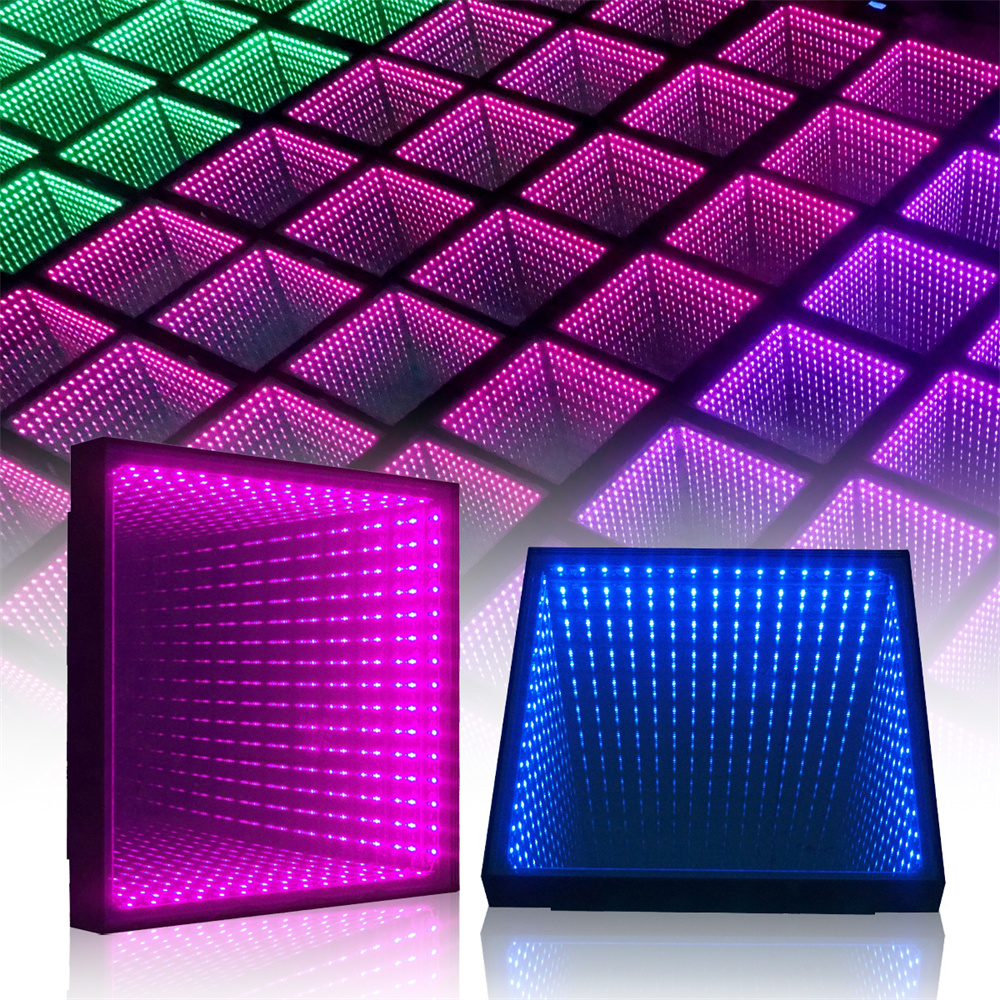
A 3D LED dance floor uses illuminated panels to display colors, animations, and geometric patterns. With suitable graphics, the floor can appear to open into a tunnel or extend into the distance. These systems are popular in nightclubs, event venues, and stage productions.
2. Infinity Mirror Dance Floor
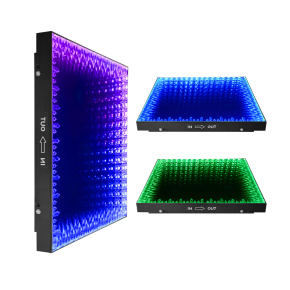
Infinity mirror floors use reflective surfaces and strategically positioned lights to create an endless tunnel effect. They are often used at weddings, private parties, and premium entertainment venues.
3. Interactive LED Dance Floor
Some systems respond to movement or external input, creating changing patterns as people interact with the surface. They can be useful for exhibitions, brand activations, and entertainment events.
Key Benefits of a 3D Dance Floor
Creates a visual focal point. Dynamic floor effects can complement moving head lights, LED bars, and other stage lighting equipment, helping create a more unified venue design.
Fits different occasions. Weddings may call for elegant patterns, while nightclubs often benefit from energetic animations. Concerts and corporate events can also use customized graphics to support their themes.
Offers flexible layouts. Modular panels allow compatible systems to be configured for different floor sizes. This is particularly useful for event rental businesses working with multiple venues.
Improves audience engagement. A visually active floor can encourage guests to participate and make the event more memorable.

How to Choose the Right 3D Dance Floor
Check the Installation Area
Measure the available space and determine the required floor dimensions. Consider panel size, storage, transportation, and whether the system will be installed permanently or assembled for individual events.
Evaluate Display Quality
Brightness, resolution, and viewing distance all affect the final result. A floor designed for a dark nightclub may have different requirements from one used in a brightly lit exhibition hall. Ask for demonstration videos or photos taken in comparable environments.
Confirm Control Compatibility
If the floor needs to work with an existing lighting system, check its supported interfaces and control options. DMX512 compatibility should be confirmed with the manufacturer rather than assumed.
Consider Durability and Maintenance
Check the rated load capacity, surface durability, cleaning requirements, and availability of replacement panels. For rental companies, quick installation and reliable after-sales support can be just as important as visual performance.
Compare Total Cost
The purchase price is only part of the investment. Transportation, installation, electricity, spare parts, and maintenance can affect long-term operating costs. Compare products based on their specifications and expected use, not price alone.
Where Are 3D Dance Floors Used?
- Nightclubs: Create immersive lighting effects alongside DJ equipment and stage lights.
- Weddings: Add a distinctive feature to reception areas and first-dance moments.
- Concerts: Extend the visual design from the stage onto the performance floor.
- Corporate events: Display branded graphics and support product launches.
- Rental businesses: Provide flexible flooring options for different event sizes.
Before choosing a system, confirm that its technical specifications suit the intended environment. Not every LED dance floor is suitable for outdoor use or heavy equipment loads.
3D Dance Floor vs. Traditional LED Dance Floor
A traditional LED dance floor displays illuminated colors, patterns, and graphics. A 3D dance floor focuses more specifically on creating depth or an immersive visual effect.
The categories can overlap. A conventional LED floor can display three-dimensional-looking animations, while an infinity floor uses reflections to create its signature effect. Buyers should compare the actual technology and demonstration results rather than relying on product names alone.
Frequently Asked Questions
Can a 3D dance floor synchronize with music?
Some systems support audio-reactive effects or external control. Features vary by model, so check whether additional software or equipment is required.
Can a 3D dance floor be used outdoors?
Only if the product is designed for the intended conditions; check its ingress protection rating, operating limits, and installation requirements before outdoor use.
How much does a 3D dance floor cost?
Pricing depends on dimensions, display technology, materials, control options, and customization. Providing your supplier with the required floor size and application will help you obtain an accurate quotation.
Conclusion
A 3D dance floor can add depth, movement, and visual interest to an event space. Whether you are equipping a nightclub, planning a wedding, or expanding a rental inventory, the best solution depends on your visual goals, installation conditions, and budget.
Compare display quality, control compatibility, durability, and supplier support before making a decision. A well-matched system can deliver a strong visual impact while meeting the practical demands of professional event production.