


0102030405
Can kinetic lights be synchronized with music for dynamic shows?
2026-04-18
Kinetic lighting has reshaped how modern stages look and feel. It’s no longer just about brightness or color—movement plays an equally important role. So a question often comes up: can Kinetic Lights really sync with music in a way that feels natural and dynamic?
Yes, they can. And when done right, the result is far more than simple synchronization—it becomes part of the performance itself.
Let’s look at what kinetic lights actually are before exploring their synchronization with music.
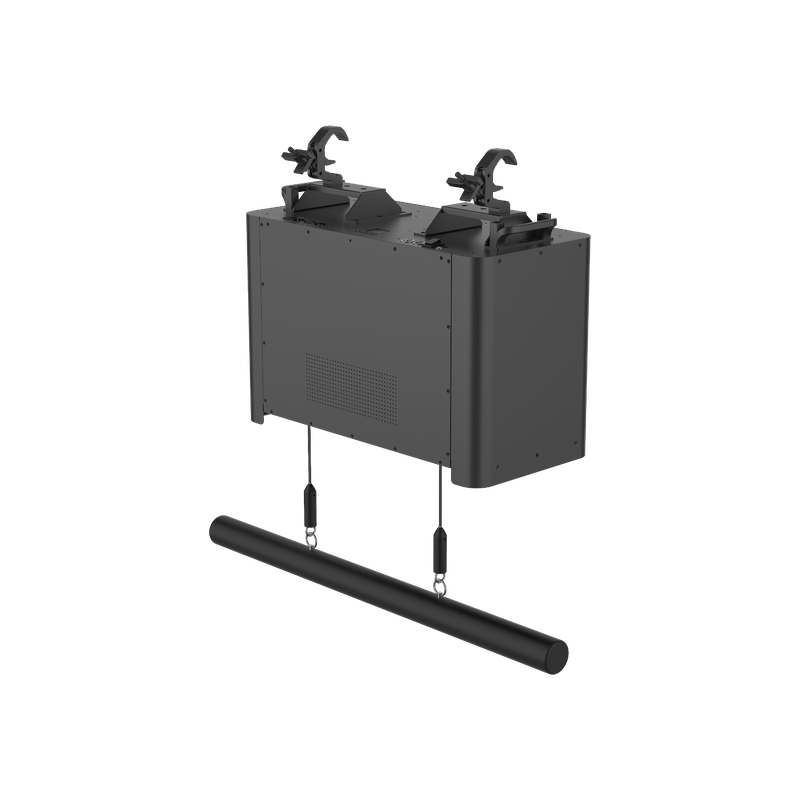
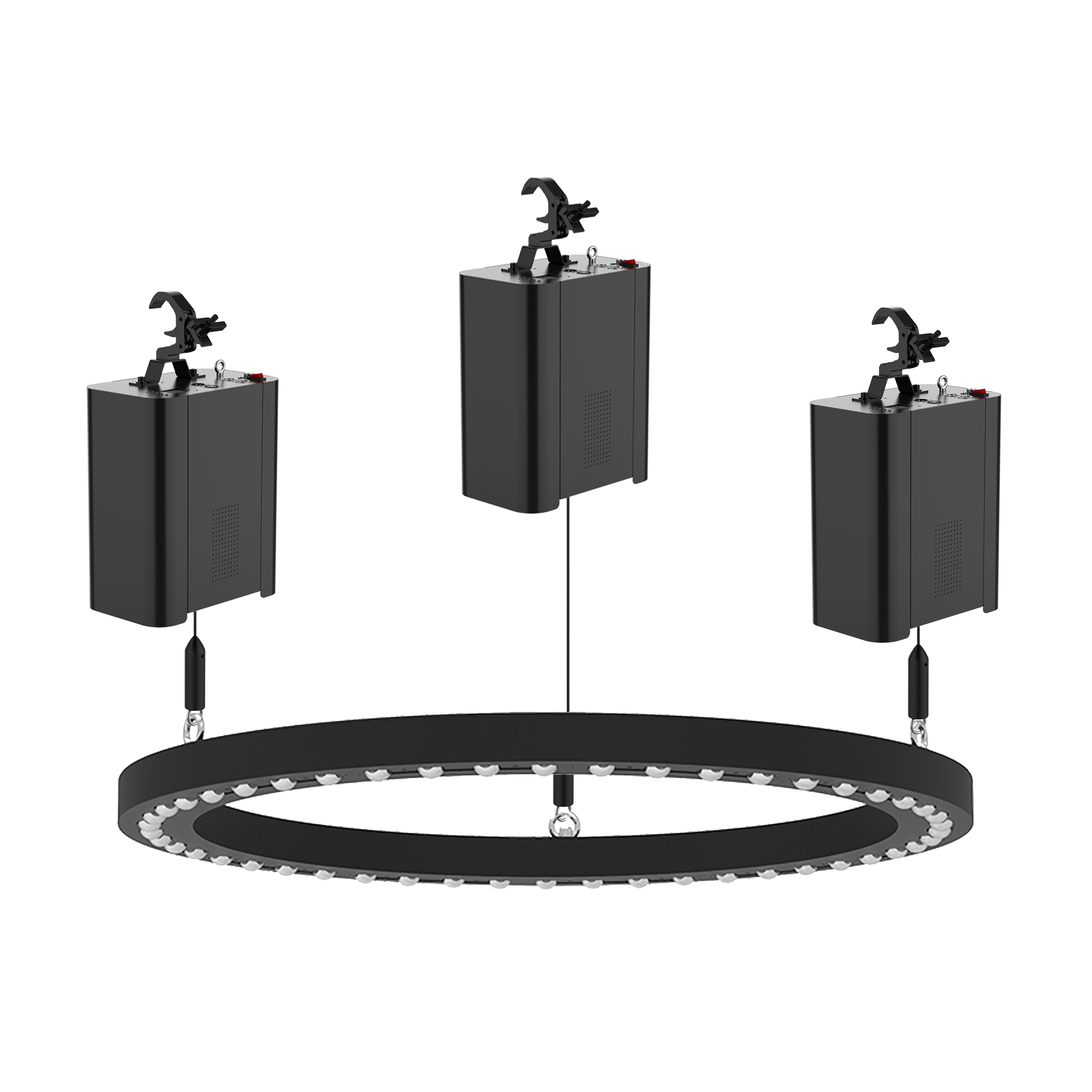
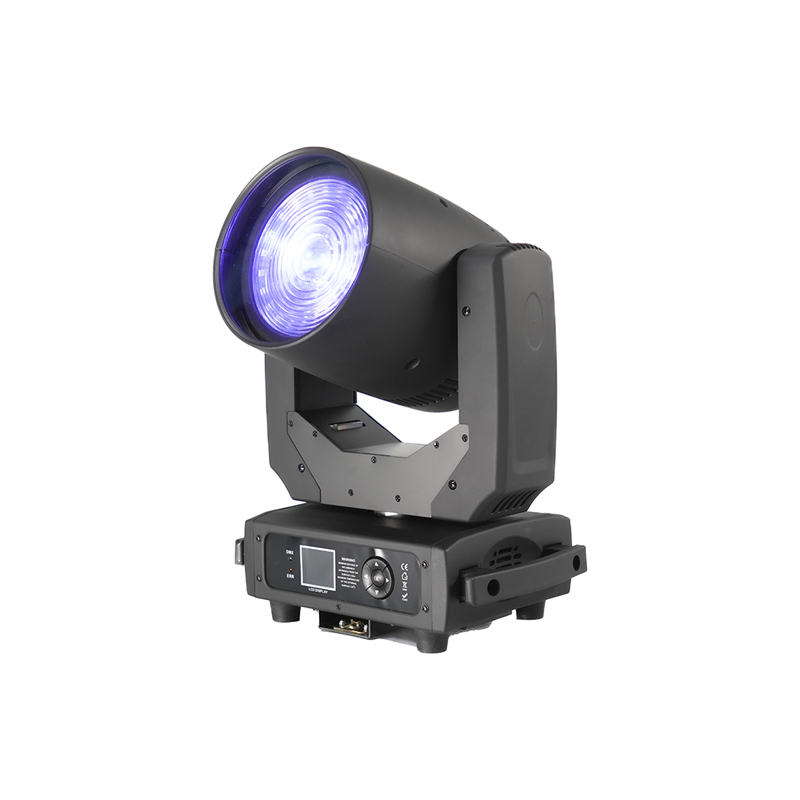
Kinetic lights use motorized winches combined with Led Fixtures, allowing each unit to emit light and move through space.
You’ll typically find:
- DMX-controlled lifting systems
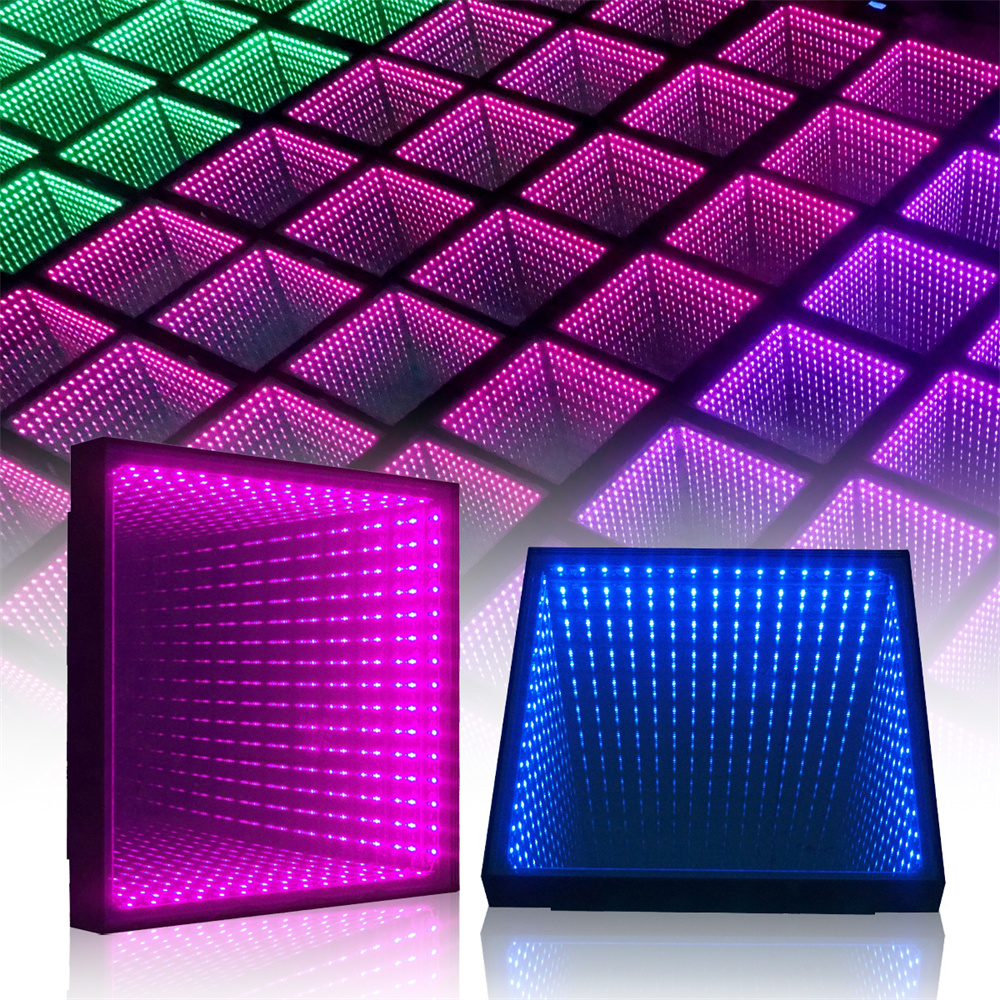
- RGB or RGBW LED fixtures
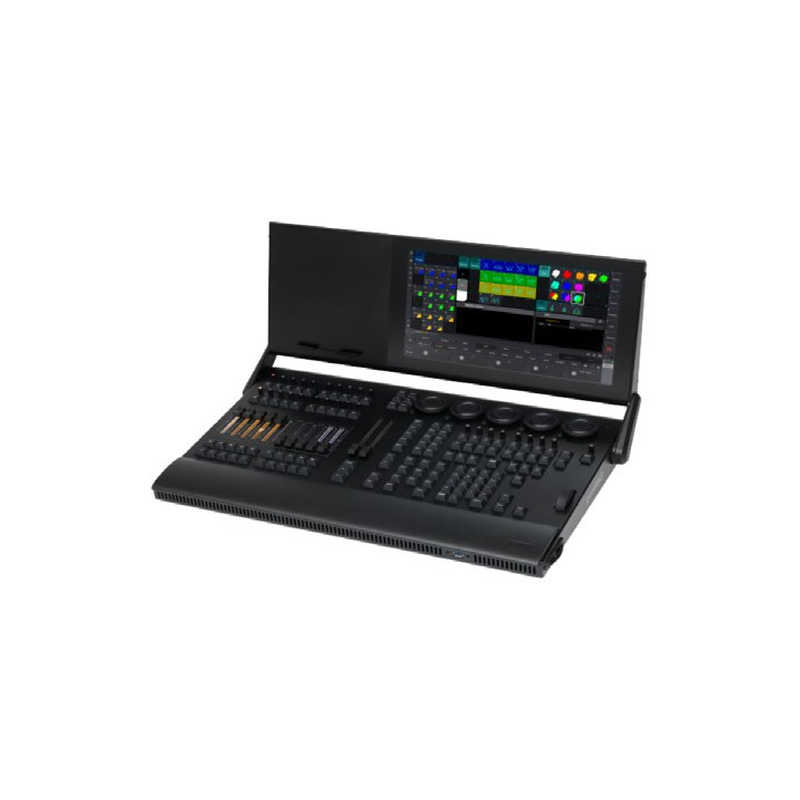
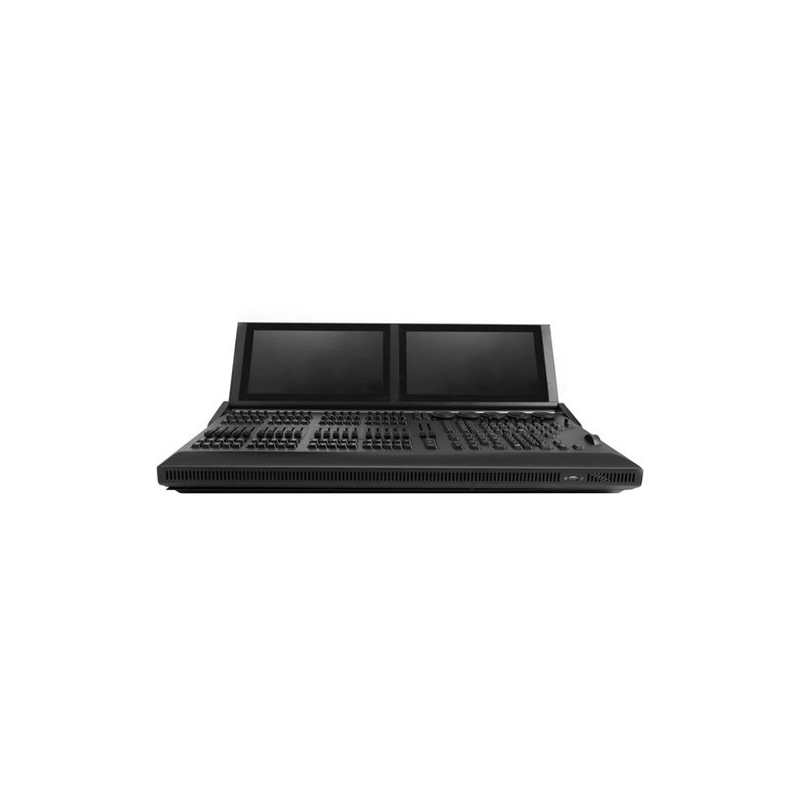
- Control platforms like DMX consoles or media servers
While the setup seems simple, it enables intricate, layered stage visuals.
Now, how does this synchronization work in practice?
1. DMX Control – The Foundation
Everything starts with DMX. It’s the backbone of most stage lighting systems.
Each fixture and motor gets its own address. From there, signals are sent—either live or pre-programmed—to control brightness, color, and movement.
Precise timing shapes the audience’s experience of each moment.
2. Timecode – Precision at Scale
For larger productions, timing needs to be exact. That’s where timecode comes in.
Instead of reacting to music, the system follows a predefined timeline:
- Audio, lighting, and motion are all locked together.
- Every cue hits at the same moment, every time.
- Ideal for concerts, TV shows, and touring productions
Timecode limits flexibility but ensures unmatched precision.
3. Real-Time Audio Response
Not every show runs on a fixed timeline. In clubs or live DJ sets, things are more fluid.
Here, kinetic lights can react directly to sound:
- Beat-driven movement
- Changes based on rhythm or frequency
- Less predictable, but more spontaneous
This approach delivers spontaneous, energetic lighting that feels alive.
Why Syncing Lights with Music Matters
A Stronger Visual Impact
When movement and sound are aligned, the show has an immediate impact.
Even subtle motion, timed to the right beat, can shift the entire atmosphere.
Real Depth on Stage
Adding motion with lighting instantly adds dimension to the stage.
Lights rise, fall, spread, or contract. Space becomes part of the design.
More Creative Freedom
Designers aren’t limited to color changes or intensity fades anymore.
They can build sequences—moments that evolve over time. Slow builds, sharp drops, unexpected transitions. All tied to the music.
Where This Is Used
You’ve probably seen it more often than you think:
- Large-scale concerts
- Touring productions
- Nightclubs and DJ booths
- TV performances
- Brand launches and corporate shows
The goal is the same everywhere: create memorable experiences.
Things to Keep in Mind
It’s Not Plug-and-Play
Strong synchronization requires careful programming and testing.
Systems Need to Work Together
Audio, lighting, and control systems all have to align. If one part lags, the whole effect suffers.
Safety Still Comes First
These systems move. That means proper rigging, load calculations, and reliable hardware aren’t optional—they’re essential.
Final Thoughts
So, can kinetic lights be synchronized with music for dynamic shows?
Yes—but more importantly, they can transform how a show is experienced.
When motion, light, and sound are working together, the result doesn’t feel technical. It feels natural. Almost effortless.