

0102030405
Disco Dance Floor: LED Dance Floor Guide for Events
2026-08-24
A memorable party is about more than music.
Lighting, atmosphere, and visual design all influence how guests experience a venue. That is why the disco dance floor has become increasingly popular in nightclubs, weddings, DJ events, and other entertainment spaces.
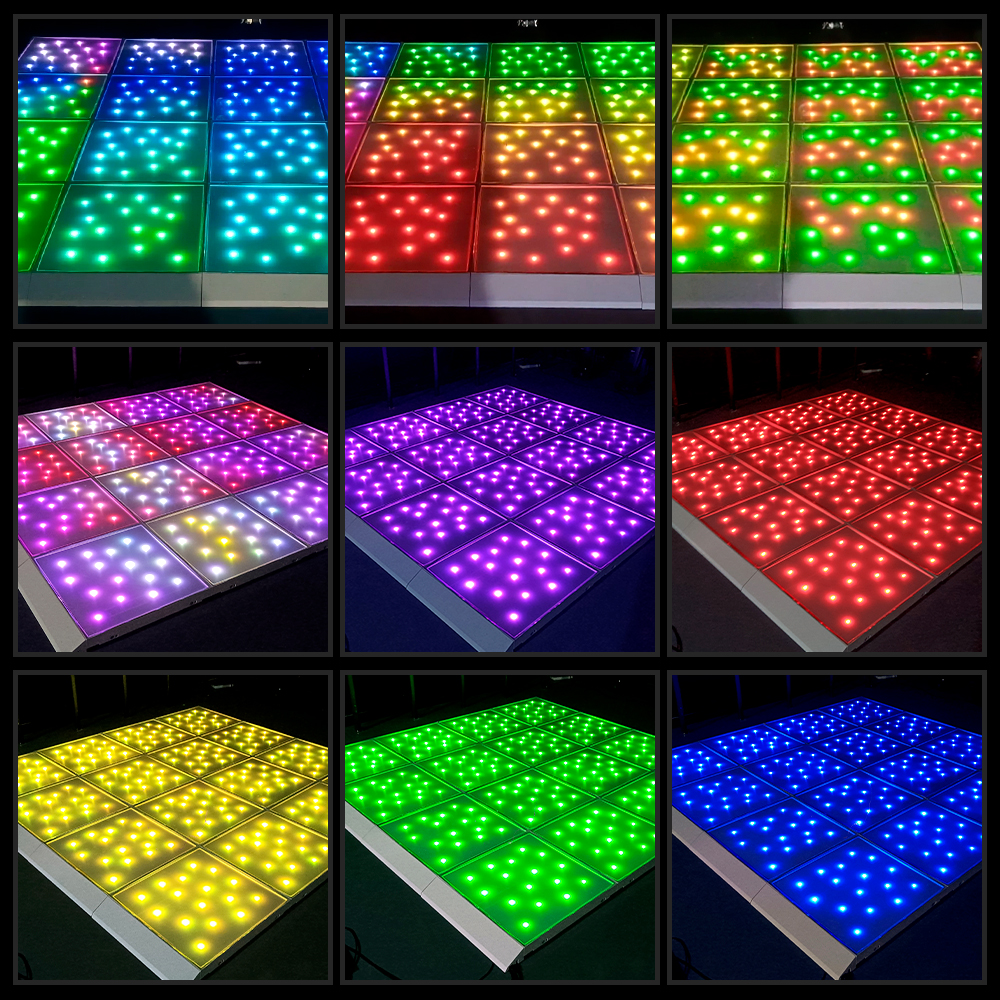
Unlike a traditional dance floor, a modern disco dance floor can become part of the show. Led Lighting, programmable effects, pixel control, and music synchronization can turn the floor into an active visual element.
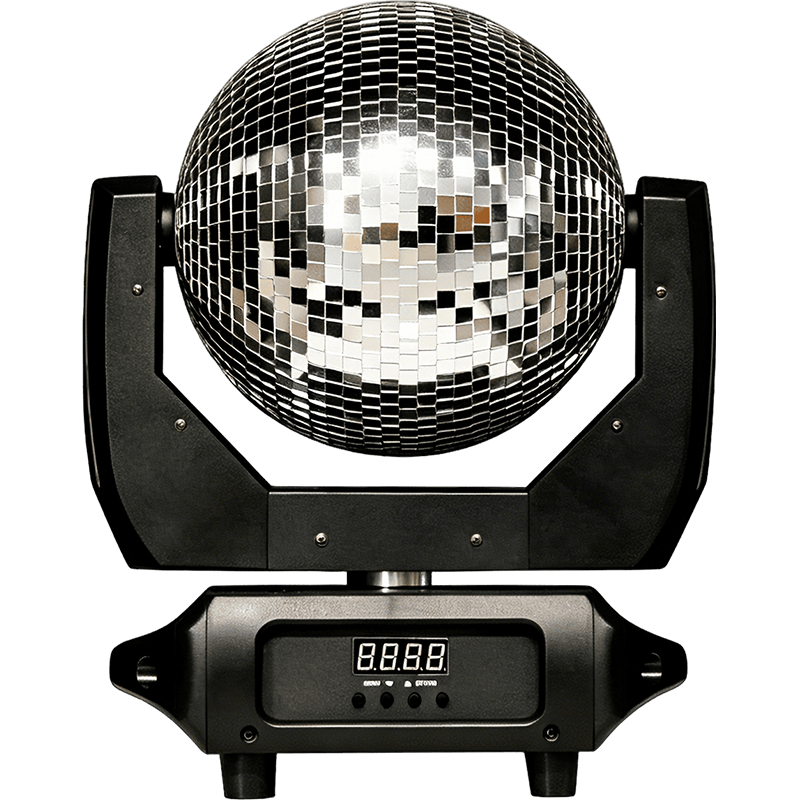
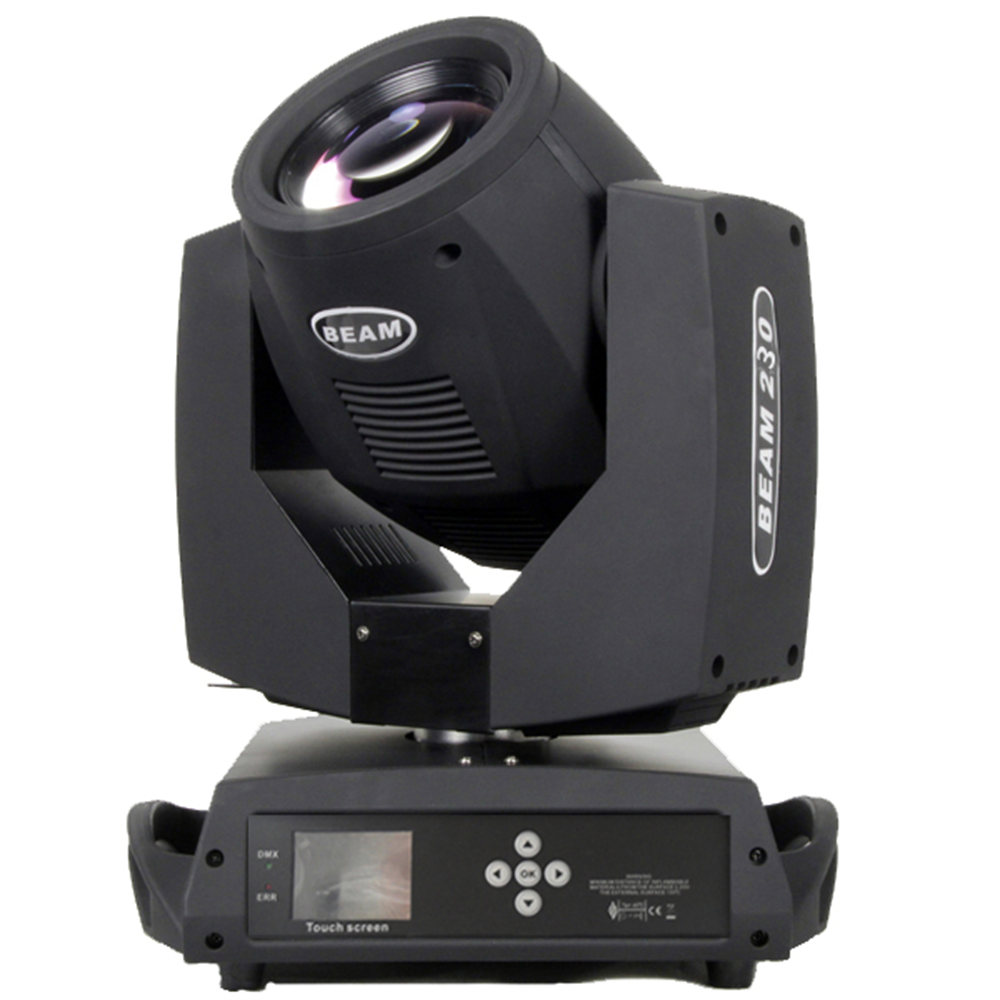
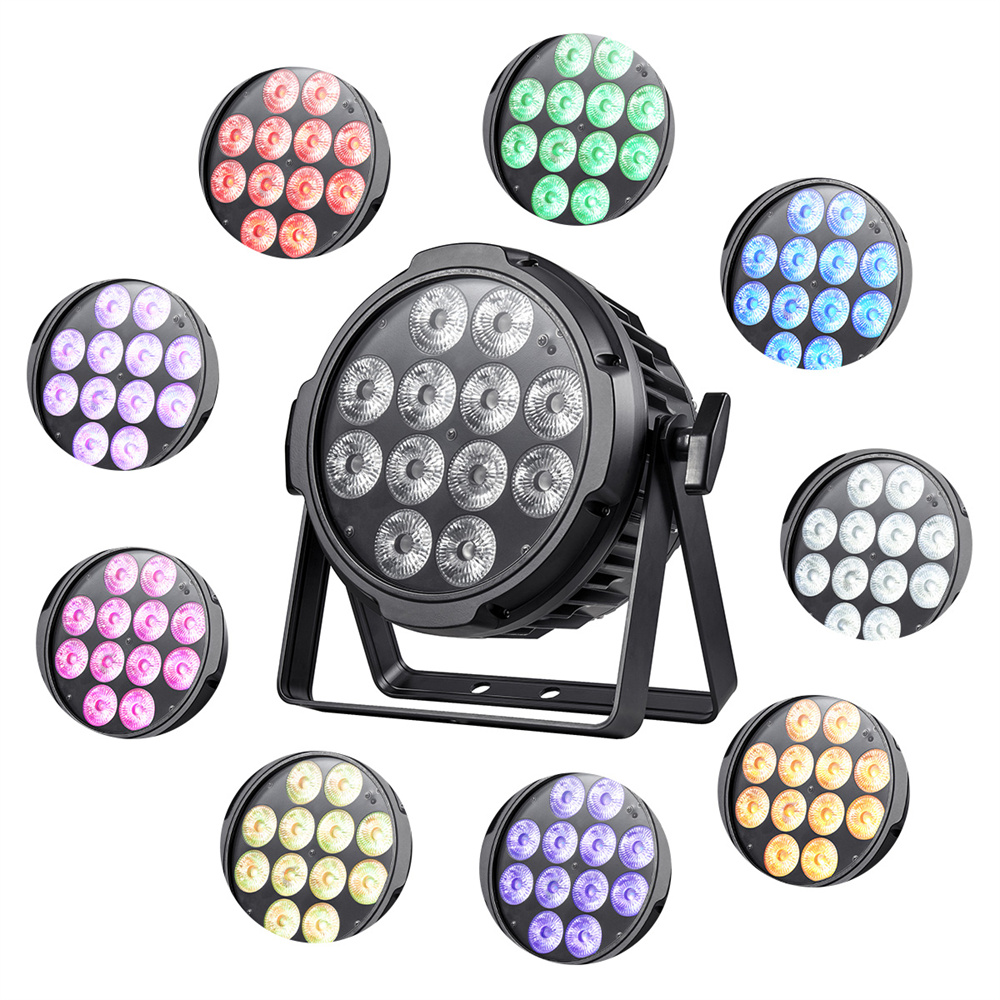
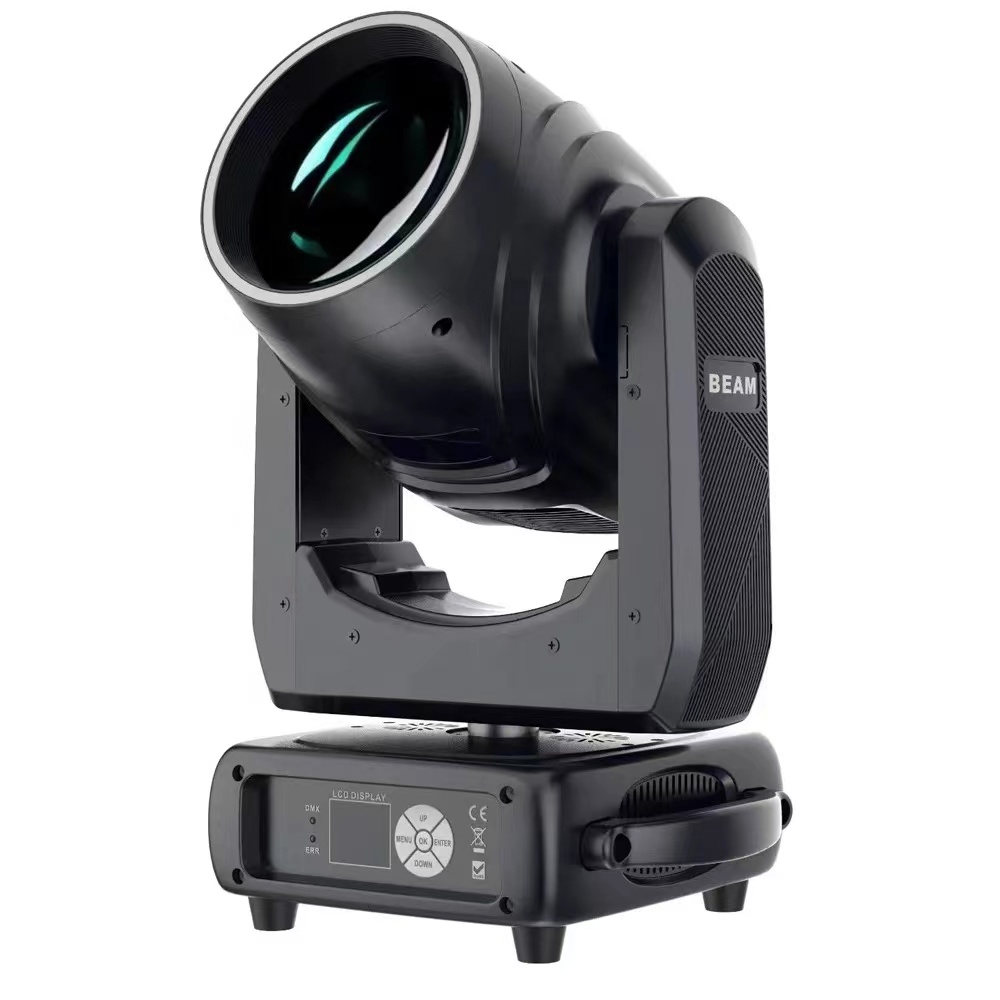
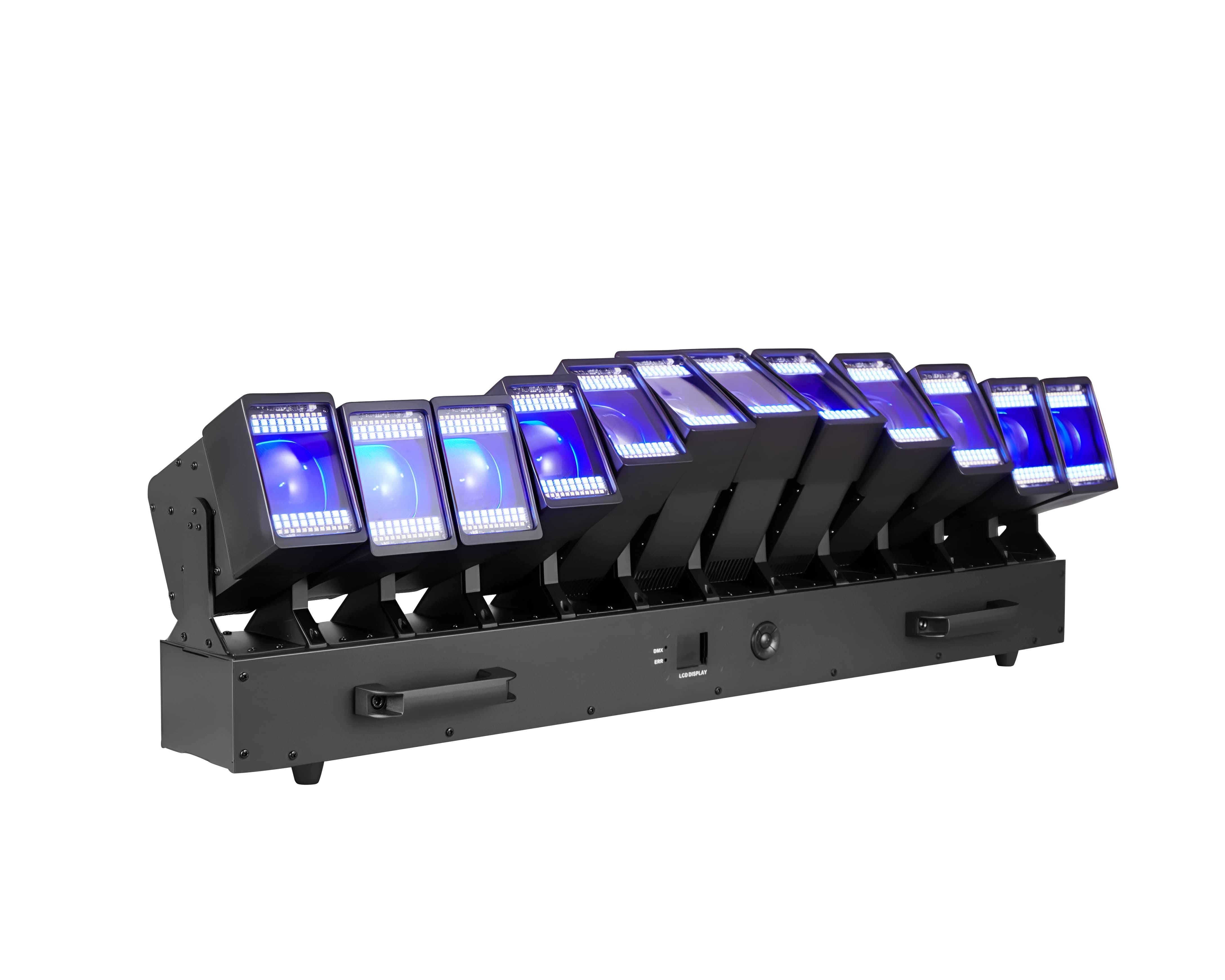
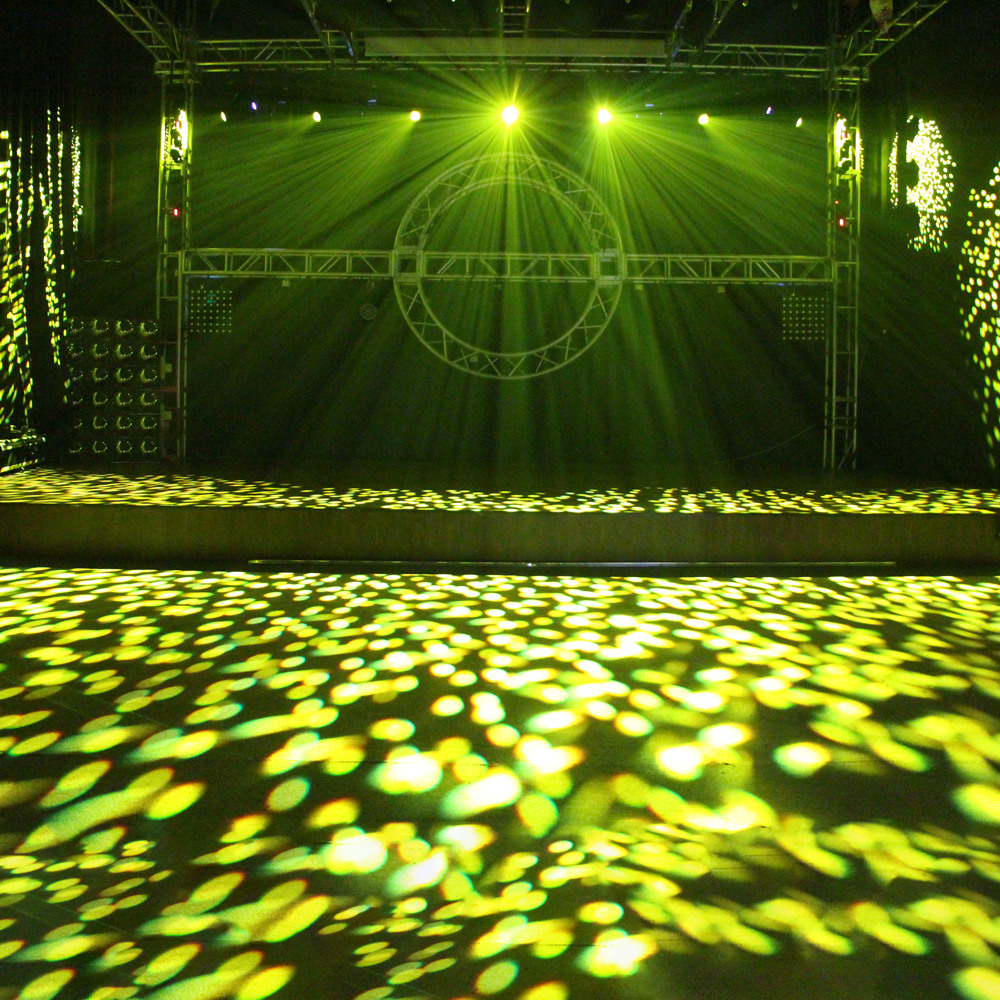
A slow color transition may create an elegant atmosphere at a wedding. Fast-moving effects can energize a nightclub. In larger productions, the dance floor can also work together with moving head lights, LED bars, laser systems, and other Stage Lighting equipment.
What Is a Disco Dance Floor?
A disco dance floor is a flooring system designed for dancing while also providing decorative or programmable lighting effects.
Depending on the design, it may feature:
- Built-in LED lighting
- RGB or RGBW color effects
- DMX512 control
- Pixel mapping
- Music-responsive programs
- Custom animations
- Modular floor panels
- Different sizes and layouts
Some systems are designed for permanent installation, while others are modular and suitable for temporary events or rental businesses.
The right choice depends on how and where the floor will be used.
Why Are Disco Dance Floors Popular?
Modern venues are increasingly focused on creating experiences rather than simply providing a place for people to gather.
A visually impressive dance floor can quickly become the center of attention.
Creates a Strong Visual Impact
The dance floor is usually located where people gather and interact. Adding dynamic lighting naturally makes that area more noticeable.
Sometimes a simple effect is enough. A nightclub may require fast animations and bold colors, while a wedding venue might use softer and slower transitions.
Improves Guest Engagement
A disco dance floor can make guests feel more involved in the event.
Instead of watching lighting effects from a distance, they are standing and dancing directly on the illuminated surface. Interactive designs can take this experience even further by responding to movement or pressure.
Suitable for Different Applications
Disco dance floors can be used in:
- Nightclubs and bars
- DJ events
- Weddings
- Private parties
- Hotels and resorts
- Corporate events
- Product launches
- Exhibitions
- Entertainment centers
For companies working with different event locations, a modular floor system offers additional flexibility.
Types of Disco Dance Floors
LED Disco Dance Floor
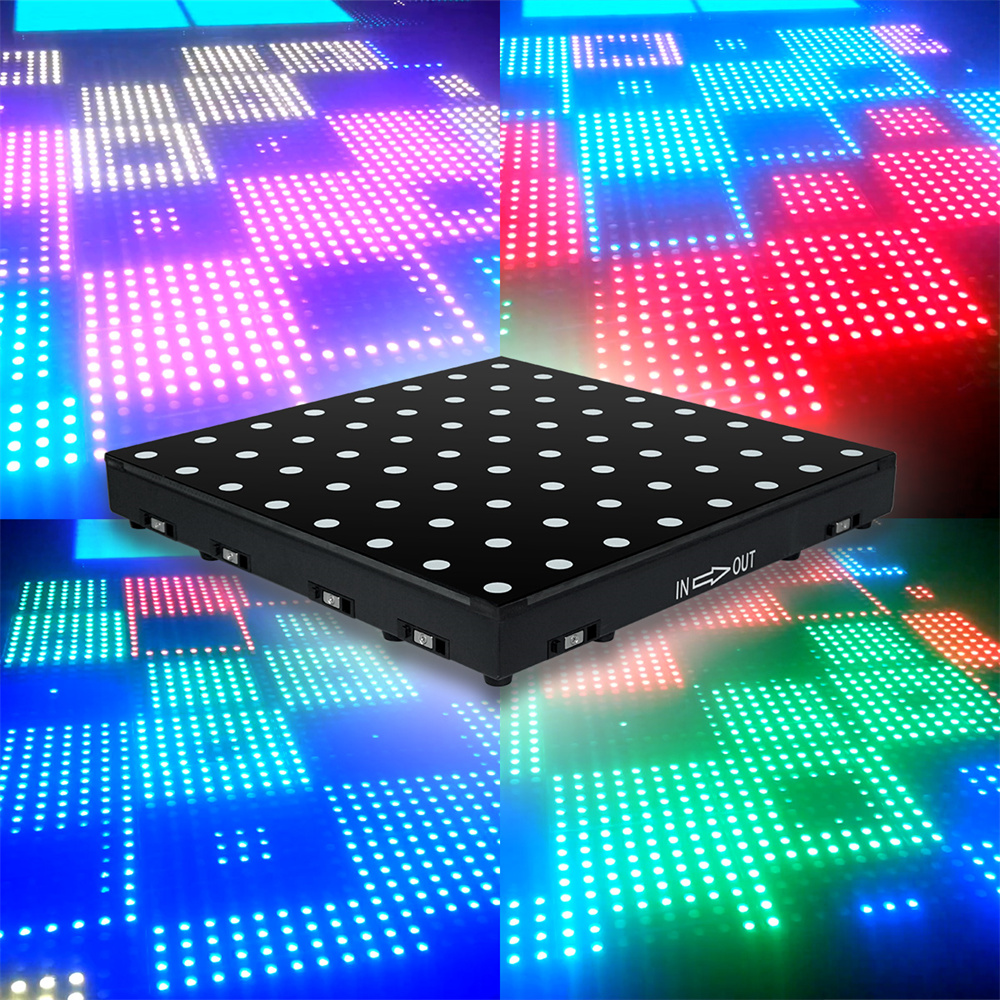
An LED disco dance floor uses integrated LED modules to create colors, patterns, and animations.
Depending on the control system, users may create simple static effects or more complex pixel-mapped lighting shows.
Common features include adjustable brightness, RGB or RGBW color mixing, automatic programs, and DMX control.
Interactive Disco Dance Floor
Interactive floors respond to movement, pressure, or sensors.
When guests walk or dance across the surface, the lighting effects can change in real time. This type of floor is often used for exhibitions, brand activations, entertainment centers, and interactive installations.
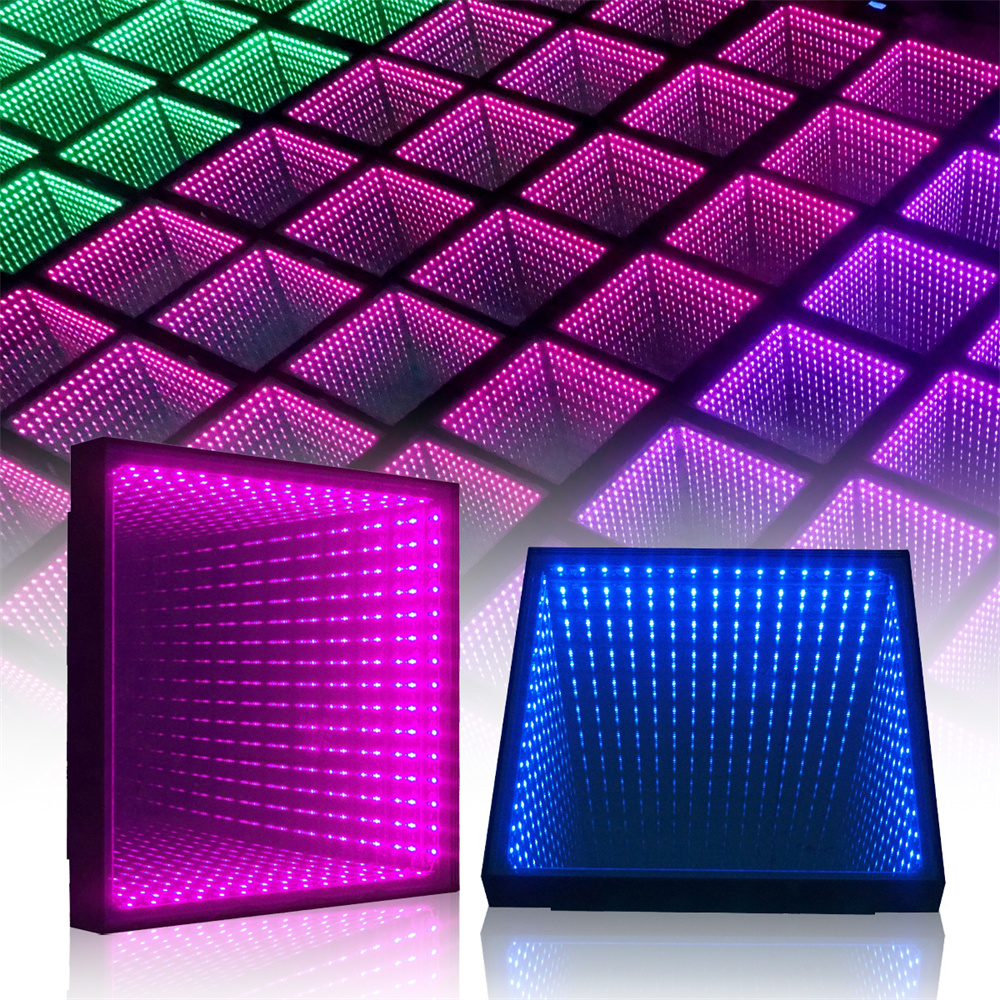
3D LED Dance Floor
A 3D LED dance floor creates the illusion of depth or movement.
Popular visual effects include infinity tunnels, starfields, geometric patterns, and custom digital animations. These floors are particularly effective at events where photos and videos are an important part of the experience.
Modular Disco Floor Tiles
Modular systems consist of individual panels that can be connected to create different floor sizes.
Their main advantages include:
- Easier transportation
- Faster installation
- Flexible layouts
- Convenient maintenance
- Replacement of individual panels
This makes modular disco dance floors a practical option for event rental companies.
How Does a Disco Dance Floor Work?
Most LED dance floors combine several important components.
The system usually includes LED modules, a control system, power supplies, signal connections, and a durable protective surface.
The LEDs create the visible effects, while the controller manages colors, brightness, speed, and animations.
Professional systems may support DMX512, Art-Net, or other advanced lighting control methods. This makes it possible to synchronize the dance floor with moving head lights, LED fixtures, laser effects, or a complete stage lighting system.
The floor structure is equally important. Since people are walking and dancing on the surface, it must provide sufficient strength and stability.
What Should You Consider Before Buying?
A visually attractive floor is important, but appearance should not be the only factor.
Load-Bearing Capacity
The floor should be designed to support the expected number of users.
Check the manufacturer’s specifications for structural strength, panel materials, and maximum load capacity. This is especially important for busy nightclubs and commercial venues.
LED Brightness
Different environments require different brightness levels.
A dark nightclub may not need the same output as an exhibition hall. Adjustable brightness provides more flexibility and makes the system easier to use in different locations.
Control Options
For professional projects, control compatibility is an important consideration.
Common options include:
- DMX512
- Art-Net
- MADRIX
- Automatic programs
- Music activation
Advanced control options provide greater creative freedom and allow the disco dance floor to become part of a synchronized lighting show.
Safety and Installation
A professional dance floor should provide a stable, secure, and practical surface.
Consider factors such as anti-slip performance, panel connections, electrical protection, and installation time.
For temporary events, a quick and reliable modular system can save valuable setup time.
Common Applications
Nightclubs and Bars
In a nightclub, the disco dance floor can become part of the overall lighting design.
When synchronized with music and moving lights, it can create a more immersive atmosphere and keep the visual energy focused on the dance area.
Weddings and Private Events
Lighting requirements often change throughout an event.
Soft colors may be suitable during dinner, while better and faster effects can be introduced when the party begins. A programmable LED dance floor makes these transitions easier.
DJ Events and Music Performances
A dance floor adds another visual layer to a performance.
Rather than placing all lighting effects above the audience, designers can extend the show across the floor itself.
Corporate Events
Programmable LED floors can display colors and visual effects that match a company’s branding or event theme.
This makes them suitable for product launches, exhibitions, and promotional events.
Why Choose a Professional Manufacturer?
For commercial projects, product reliability is just as important as lighting effects.
A professional disco dance floor manufacturer should be able to provide:
- Detailed technical specifications
- Stable product quality
- Custom sizes
- Professional control options
- Installation support
- Replacement parts
- OEM and branding services
Direct communication with an experienced manufacturer can also make custom projects easier, especially when a venue requires specific dimensions or control methods.
Frequently Asked Questions
Can DMX control a disco dance floor?
Yes. Many professional LED disco dance floors support DMX512 control and can be integrated with other stage lighting equipment.
Can the floor synchronize with music?
Yes, depending on the system. Some products offer sound-active programs, while more advanced systems can be programmed through professional lighting control software.
Is a disco dance floor suitable for temporary events?
Yes. Modular systems are particularly suitable for weddings, exhibitions, DJ events, and rental applications because they can be installed, removed, and transported more easily.
Can the size be customized?
Many manufacturers offer modular or custom solutions, allowing the floor size and layout to be adjusted according to project requirements.
Conclusion
A disco dance floor can transform an ordinary venue into a more engaging and visually memorable space.
From nightclubs and DJ performances to weddings and corporate events, modern LED dance floor systems offer flexible installation, programmable effects, and professional control options.
When choosing a system, consider more than appearance. Load capacity, safety, control compatibility, installation efficiency, and long-term reliability are equally important.
When integrated with other professional stage lighting equipment, a disco dance floor can become an important part of a complete entertainment lighting system—and help create an experience guests are unlikely to forget.