


0102030405
Kinetic Lights Winch Price: Buying Guide
2026-10-31
Kinetic Lighting has changed the way lighting designers approach stage productions. Instead of relying entirely on fixed lighting positions, they can now create moving visual effects using LED tubes, illuminated rings, kinetic balls, and other suspended fixtures.
These systems are widely used at concerts, music festivals, nightclubs, television studios, and large-scale entertainment events. Behind every moving fixture is a motorized winch responsible for controlling its position and movement.
For buyers planning a new installation, one question often comes up early in the purchasing process: How much does a Kinetic Lights winch cost?
There isn’t a single answer. A small winch designed for lightweight LED fixtures is very different from a high-capacity model used in a large stage installation. Motor performance, lifting distance, control functions, and manufacturing quality all influence the final price.
This guide looks at what determines kinetic winch pricing, what buyers should check before placing an order, and how to find a suitable supplier for their project.
What Is a Kinetic Lights Winch?
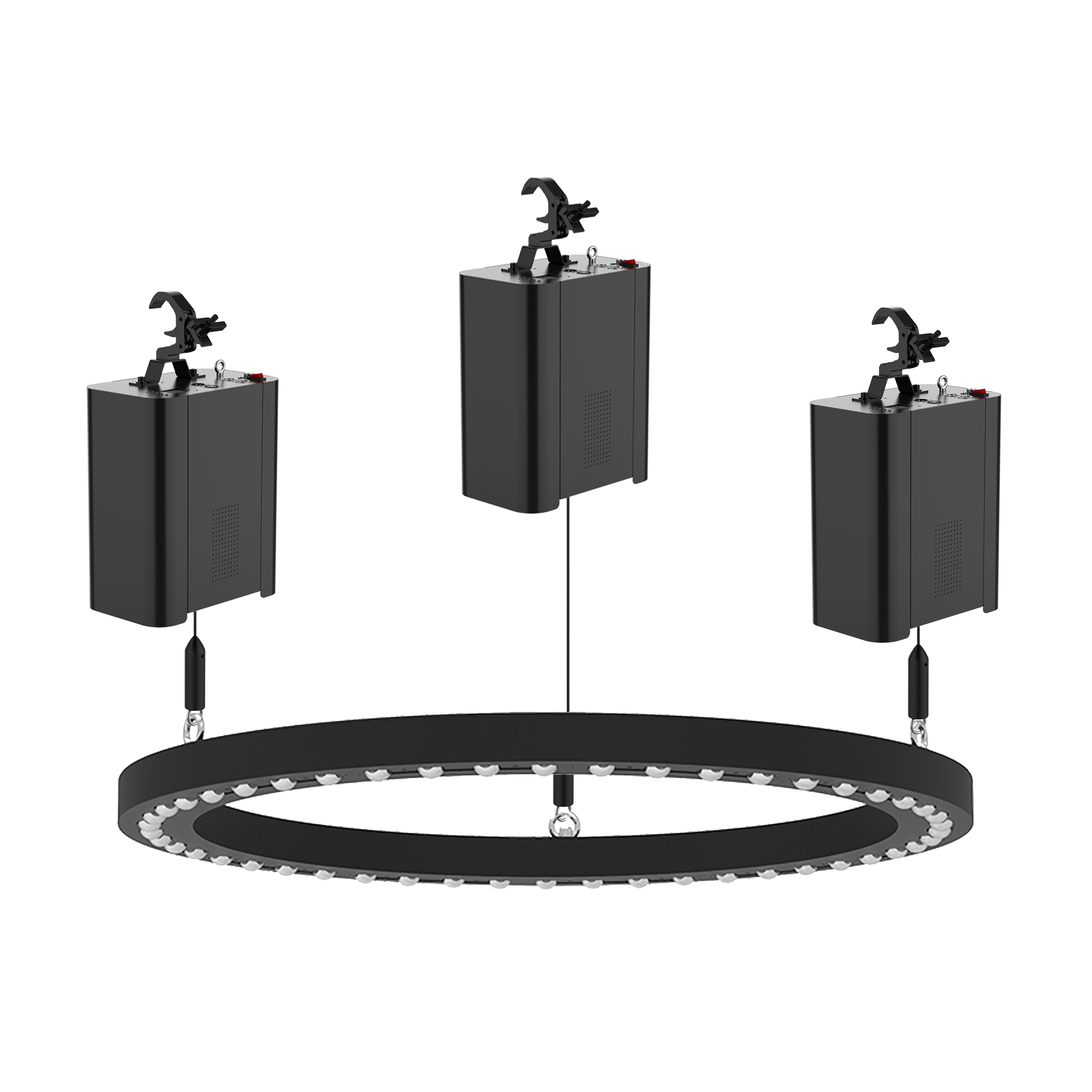
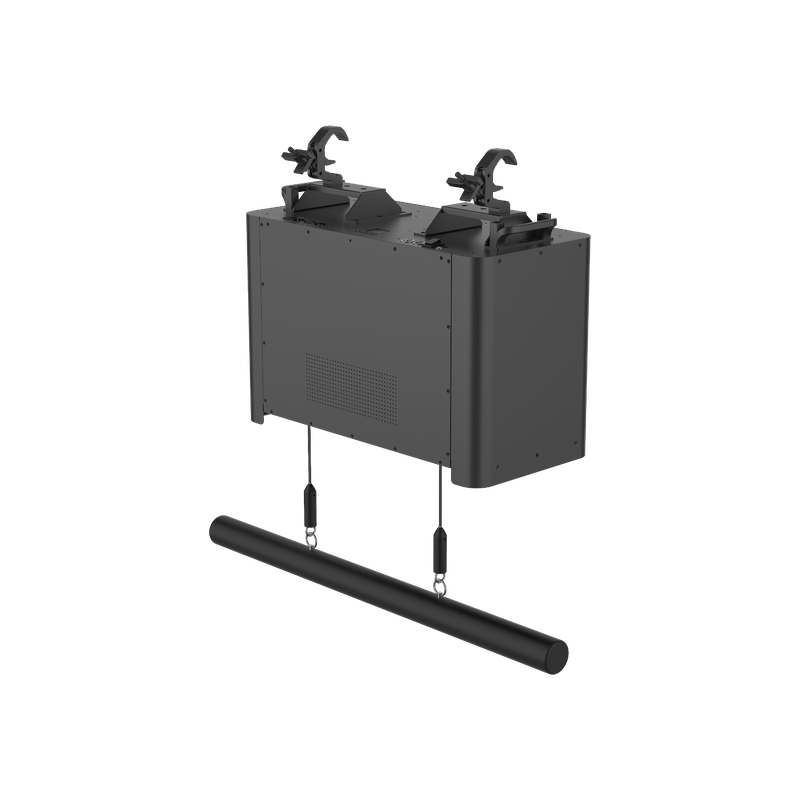
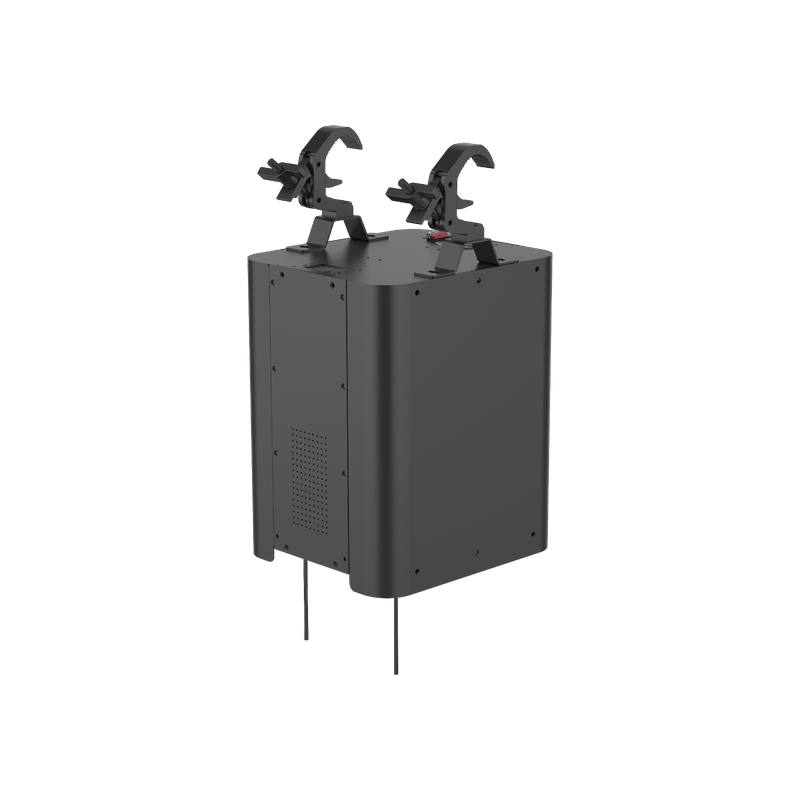
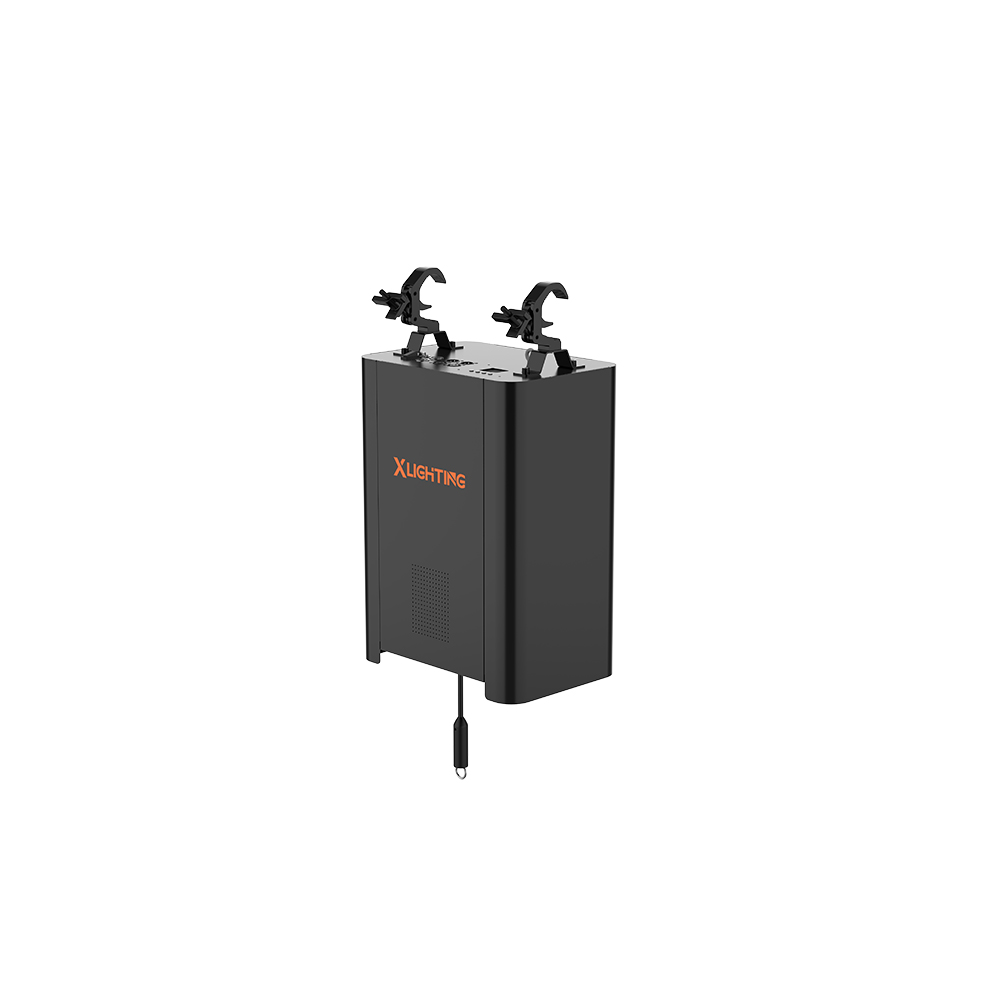
A kinetic lights winch is a motorized lifting device used to move lighting fixtures vertically during a stage performance or installation.
It is an essential part of a kinetic lighting system. While LED tubes, rings, and illuminated balls create the visual effects, the winches control their movement. By programming multiple units together, lighting designers can create synchronized patterns, changing heights, and dynamic stage displays.
A typical kinetic lighting setup includes several components:
- DMX kinetic winches: Control the lifting and lowering of suspended lighting fixtures.
- LED lighting elements: Such as kinetic tubes, LED balls, rings, and pixel lighting fixtures.
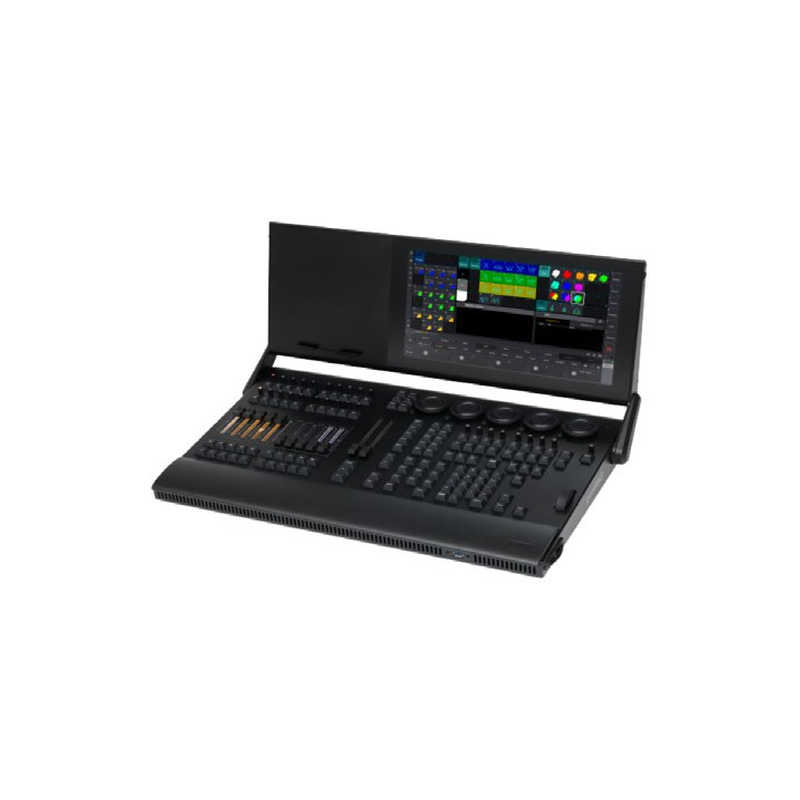
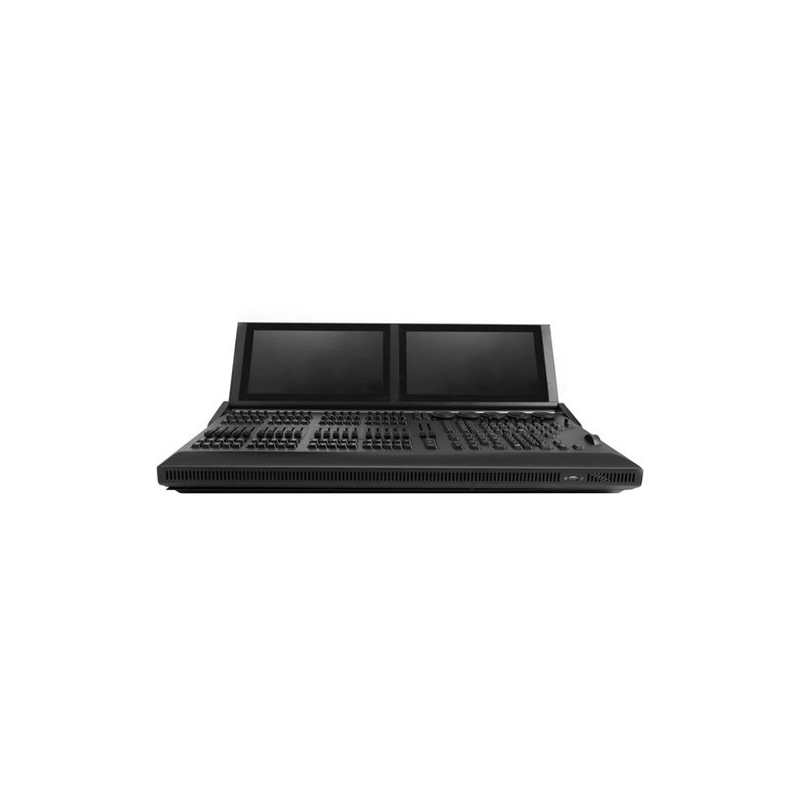
- Lighting control equipment: DMX512 consoles or compatible software for programming movement and lighting effects.
- Suspension accessories: Cables, connectors, and mounting components used during installation.
The winch may look like a relatively small part of the system, but its performance has a direct impact on the entire installation. Movement needs to be smooth, positioning needs to be consistent, and the equipment must operate within its rated load capacity.
How Much Does a Kinetic Lights Winch Cost?
The price of a kinetic lighting winch varies depending on its specifications and intended application.
For example, a 5kg winch designed for lightweight LED tubes will generally have different manufacturing requirements from a 25kg model used to lift heavier stage equipment.
When comparing quotations, buyers should look beyond the product name and check the actual technical specifications.
Here are some of the main details worth comparing:
| Specification | Common Options |
| Load Capacity | 5kg, 10kg, 15kg, 20kg, 25kg |
| Lifting Height | 6m, 8m, 9m, or customized |
| Motor Type | Standard motor or servo motor |
| Control Protocol | DMX512, RDM (model dependent) |
| Control Channels | Varies by product configuration |
| Application | Concerts, clubs, exhibitions, stage installations |
Two products may have similar appearances but very different internal configurations. This is one reason why comparing kinetic lights winch prices across suppliers can be difficult.
A lower quotation does not necessarily mean a better deal. The more useful question is whether the product offers the performance and specifications your project actually needs.
If you are requesting a quotation, provide the required load capacity, lifting height, and control requirements. This gives the manufacturer a much clearer picture of what you need.
What Factors Affect Kinetic Lights Winch Price?
Several details contribute to the cost of a kinetic winch. Some are easy to identify from the product specifications, while others relate to the internal components and manufacturing process.
3.1 Load Capacity
Load capacity is one of the first specifications buyers should consider.
Kinetic winches are available in different load ratings to accommodate different lighting fixtures and installation requirements.
Common options include:
- 5kg kinetic winch: Often used with lightweight LED tubes and compact decorative fixtures.
- 10kg kinetic winch: Suitable for a wider range of medium-sized kinetic lighting equipment.
- 15kg and 20kg kinetic winches: Used for heavier fixtures and more demanding stage applications.
- 25kg kinetic winch: Designed for installations that require a higher rated lifting capacity.
Higher-capacity models generally require stronger structural components and appropriately rated drive systems. This can increase manufacturing costs.
However, buying a winch with a much higher capacity than necessary isn’t always the most economical choice. The important thing is to calculate the complete suspended load, including the fixture and accessories, and follow the manufacturer’s rated working load and applicable safety requirements.
3.2 Lifting Height
How high do your lighting fixtures need to move?
This may seem like a straightforward question, but lifting height can have a considerable effect on product selection.
Some installations only require a few meters of vertical movement. Others, particularly concert stages and venues with high ceilings, need longer travel distances.
Common configurations include 6m, 8m, and 9m lifting heights.
A longer lifting distance may require additional cable, suitable internal cable management, and adjustments to the mechanical configuration. It can also affect installation and maintenance requirements.
Before choosing a model, measure the available ceiling height and determine the actual movement range required during performances. There is little reason to pay for a longer lifting distance if the venue doesn't need it.
3.3 Motor Type and Movement Performance
The motor is at the heart of a kinetic winch.
Its performance determines how the suspended fixture moves, how accurately it reaches a programmed position, and how consistently the system operates.
Standard motor configurations can handle many conventional lifting applications. Servo motor systems may provide more precise positioning and controlled movement, depending on their design and control configuration.
For productions involving complex movement patterns, this difference matters.
When evaluating a winch, pay attention to:
- Positioning accuracy and repeatability.
- Lifting and lowering speed.
- Movement smoothness.
- Operating noise.
- Motor durability and maintenance requirements.
A cheaper model may be perfectly adequate for a simple installation. For a professional production involving dozens of synchronized fixtures, however, movement consistency becomes much more important.
3.4 DMX512 and RDM Control Compatibility
Control compatibility is another detail that shouldn’t be overlooked.
Most professional kinetic lighting systems use DMX512 to control winch movement. This allows lighting designers to program different movement positions and coordinate multiple units within a larger show.
Some models also support RDM (Remote Device Management), which provides additional device-management capabilities when used with compatible equipment.
Before purchasing, confirm the following:
- Does the winch support DMX512?
- Is RDM supported if your project requires it?
- How many control channels does the product use?
- Is it compatible with your existing lighting console or software?
- Can multiple winches operate together as part of a synchronized system?
These details can affect both equipment selection and the total project cost.
3.5 Materials and Manufacturing Quality
A kinetic winch needs to withstand repeated operation. Its housing, transmission components, electrical connections, and lifting mechanism all contribute to overall reliability.
When comparing products, don’t focus exclusively on appearance.
Ask the manufacturer about the materials used, the quality of internal components, and the testing procedures followed before shipment.
It’s also worth checking whether the supplier can provide product documentation, spare parts, and technical assistance.
In a busy rental or event production environment, equipment reliability can be just as important as the initial purchase price.
How to Choose the Right Kinetic Winch for Your Project
A suitable winch should match the lighting fixture, venue, and intended application. Choosing equipment based on price alone can create problems later, especially when the system is already installed.
Here are five things to consider before making a decision.
4.1 Calculate the Total Suspended Weight
Start with the actual weight of the lighting fixture.
Don’t forget to include connectors and other suspended accessories. The total load needs to remain within the manufacturer’s specified working load.
For example, a lightweight LED tube may only require a small-capacity winch, while a larger kinetic ring or more complex lighting assembly may need a higher-rated model.
Always follow the manufacturer’s loading instructions and applicable installation safety standards.
4.2 Check the Required Lifting Distance
The ceiling height alone doesn’t determine which winch you need.
Consider where the fixture starts, how far it needs to travel, and where it should stop during the performance.
A venue with a limited movement range may not need a 9m winch. On the other hand, a large concert stage may require a longer lifting distance to achieve the intended visual effect.
Getting these measurements right helps avoid unnecessary costs.
4.3 Think About the Type of Movement
What do you expect the lighting system to do?
For basic vertical lifting, a conventional DMX winch may be sufficient. More complicated productions may require accurate positioning and coordinated movement across multiple units.
Discuss these requirements with the manufacturer before choosing a model.
4.4 Check Compatibility With Existing Equipment
If you’re expanding an existing kinetic lighting installation, compatibility deserves particular attention.
Check the DMX control configuration, channel requirements, electrical specifications, and connections. Mixing equipment without confirming compatibility can lead to additional setup work.
A little preparation before ordering can save considerable time during installation.
4.5 Consider After-Sales Support
Kinetic lighting equipment is often used in demanding production environments. When something needs attention, access to technical support and replacement components becomes important.
Before placing an order, ask about:
- Product warranty.
- Spare parts availability.
- Technical documentation.
- Installation guidance.
- Troubleshooting support.
These details are worth considering when comparing suppliers, particularly if you're purchasing equipment for a long-term rental business or permanent installation.
Why Buy Kinetic Winches Directly From a Manufacturer?
For lighting distributors, rental companies, and project contractors, working directly with a manufacturer can offer practical advantages.
The first is pricing transparency. Without additional distribution layers, buyers can communicate directly with the factory about product configurations, order quantities, and customization requirements.
There are other benefits, too.
Factory pricing and bulk orders
When purchasing multiple winches or a complete kinetic lighting system, buyers can request quotations based on the actual order quantity. This is particularly useful for distributors and large installation projects.
Product customization
Not every project uses the same configuration. Depending on the manufacturer’s capabilities, buyers may be able to discuss lifting height, load capacity, cable length, housing design, and control requirements.
Direct technical communication
Talking to the people who understand the product makes it easier to clarify specifications and discuss installation requirements.
More consistent product supply
For businesses that regularly purchase stage lighting equipment, working with an established factory can make repeat orders and product configuration management easier.
Of course, buyers should still evaluate manufacturing experience, quality control, product documentation, and after-sales support before choosing a supplier.
What Information Should You Provide When Requesting a Quote?
If you want an accurate kinetic lights winch price, avoid sending a message that simply asks, “How much is your winch?”
Manufacturers need a little more information to recommend the right product.
Before requesting a quotation, prepare these details:
- Load capacity: What is the total weight of each suspended fixture?
- Lifting height: How far does the fixture need to travel?
- Motor requirements: Do you need a standard motor or a servo motor?
- Control system: Do you require DMX512, RDM, or other specific functions?
- Application: Is the equipment for a concert, nightclub, exhibition, rental business, or permanent installation?
- Order quantity: How many winches do you plan to purchase?
- Special requirements: Do you need customized cables, housing, or other configurations?
If you already have a lighting design or equipment list, sharing it with the supplier can make the quotation process even easier.
It also helps avoid unnecessary back-and-forth communication.
Why Choose Xlighting for Kinetic Lighting Equipment?
Choosing a kinetic winch supplier involves more than finding the lowest price. Buyers need equipment that matches their project requirements, along with a manufacturer that understands professional stage lighting applications.
Xlighting is a stage lighting manufacturer specializing in professional lighting equipment and kinetic lighting solutions.
Our product range includes DMX kinetic winches with different lifting capacities and configurations, allowing customers to select equipment for various stage and event applications.
Whether you’re purchasing individual winches or planning a complete kinetic lighting installation, our team can help you discuss:
- Different lifting capacities for various lighting fixtures.
- Suitable lifting heights for your venue.
- DMX512 control requirements.
- Compatible kinetic tubes, rings, and other lighting elements.
- Product configurations for rental and installation projects.
- Wholesale orders and project-based purchasing.
We understand that every project has its own technical requirements. Rather than recommending the same configuration to every customer, we focus on the specifications needed for the actual application.
If you’re comparing kinetic lights winch prices from different suppliers, feel free to contact Xlighting with your requirements. Our team can help you identify a suitable model and provide a quotation for your project.
Conclusion
Finding the right kinetic winch isn’t simply about choosing the lowest-priced product.
Load capacity, lifting height, motor performance, control compatibility, and manufacturing quality all play a part in determining the final cost. More importantly, these specifications affect how well the equipment performs once it becomes part of a working stage lighting system.
For distributors, rental companies, and event production contractors, taking the time to compare these details can help avoid unnecessary expenses and make purchasing decisions more reliable.
Looking for a suitable kinetic winch for your next project?
Contact Xlighting today to discuss your requirements and request a factory quotation.