


0102030405
Moving Head Beam 230 for Stage Lighting | Buying Guide
2026-08-18
A powerful beam effect can instantly change the atmosphere of a stage, nightclub, concert, or live event. Among professional entertainment lighting fixtures, the Moving Head beam 230 remains a popular choice for lighting designers who need a narrow, intense beam with fast movement and strong visual impact.
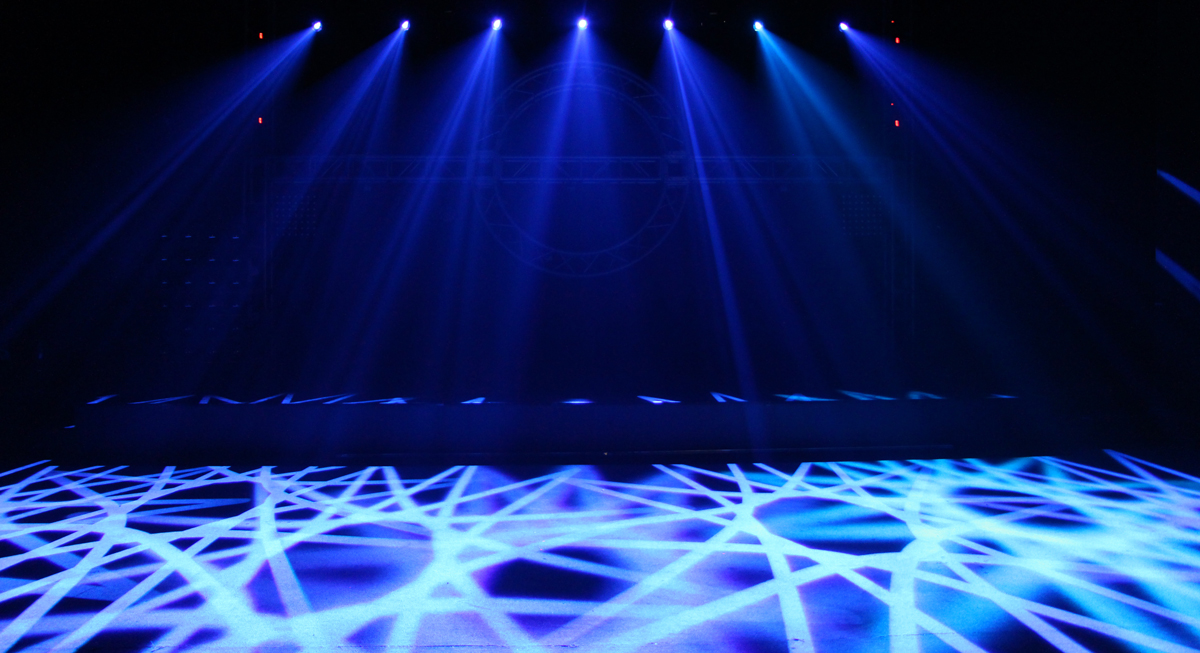
With its high-output discharge lamp, motorized pan and tilt movement, and beam-focused optical system, a moving head beam 230 can create sharp aerial effects, sweeping patterns, and dynamic stage looks. It is particularly useful when multiple fixtures are combined to create synchronized Lighting Effects across a large performance space.
This guide explains what a moving head beam 230 is, how it works, where it is used, and what buyers should consider when choosing a professional fixture.
What Is a Moving Head Beam 230?
A moving head beam 230 is a professional moving-head Stage Light designed primarily to produce a concentrated and powerful beam of light.
The “230” generally refers to the fixture’s 230W-class discharge lamp, although the exact lamp specification can vary between manufacturers and models. Unlike wash fixtures, which are designed to provide broad and even illumination, beam moving heads focus light into a much narrower output.
The fixture combines several important technologies:
- High-intensity 230W-class light source
- Narrow beam optical system
- Motorized pan and tilt movement
- Color wheel
- Gobo wheel
- Prism effects
- Focus adjustment
- Frost or beam-shaping functions on some models
- DMX512 control
- Strobe effects
- Standalone and automatic programs
These features allow one fixture to perform a wide range of dynamic lighting effects.
Why Choose a Moving Head Beam 230?
The biggest advantage of a moving head beam 230 is its ability to create a strong, defined beam that remains visually noticeable in large entertainment environments.
1. High-Intensity Beam Output
The concentrated optical design allows the fixture to produce a narrow beam that can cut through atmospheric haze and smoke.
This is particularly important for:
- Concert stages
- Nightclubs
- DJ performances
- Live shows
- Festivals
- Large event venues
When haze or fog is present, the beam becomes visible in the air, creating three-dimensional lighting effects that cannot be achieved with conventional front lighting alone.
2. Fast Pan and Tilt Movement
Moving head technology allows the fixture to move horizontally and vertically through motorized pan and tilt systems.
Fast movement makes it possible to create:
- Sweeping beams
- Crossing effects
- Rotating patterns
- Audience scanning effects
- Dynamic stage animations
When several moving head beam 230 fixtures are programmed together, their movements can be synchronized to create much more complex lighting scenes.
3. Compact and Flexible Lighting Solution
Compared with some larger high-output stage fixtures, a 230W beam moving head can offer a useful balance between output, size, and installation flexibility.
It can be installed on:
- Lighting trusses
- Stage structures
- DJ booths
- Nightclub ceilings
- Exhibition structures
- Event production rigs
This flexibility makes it suitable for both permanent installations and touring productions.
Key Features of a Professional Moving Head Beam 230
When comparing different moving head beam 230 models, buyers should look beyond lamp wattage. The overall optical system, movement performance, effects, control options, and construction quality all influence the fixture’s real-world performance.
Narrow Beam Angle
Beam angle is one of the most important specifications.
A narrow beam produces a concentrated light column that is ideal for aerial effects. A fixture with a very narrow beam can create dramatic visual effects even when the lighting position is relatively far from the stage.
For this reason, beam angle should be considered together with:
- Light output
- Throw distance
- Lens quality
- Venue size
- Haze density
Color Effects
Most professional beam fixtures include a color wheel with multiple colors and open-white positions.
Color changes allow lighting designers to create different atmospheres during a performance. Rapid color changes can also be synchronized with music, while slower transitions can be used for more cinematic stage scenes.

Gobo Effects
Gobos are patterned discs placed within the optical system to project shapes and patterns.
Depending on the fixture, the gobo system may include:
- Static gobos
- Rotating gobos
- Replaceable gobos
- Multiple pattern options
Gobo projection adds another visual layer to the beam and can make a lighting sequence more dynamic.
Prism Effects
A prism can split the original beam into multiple beams.
This is particularly effective when the fixture is combined with haze. A single beam can be transformed into several rays that rotate across the stage or audience area.
Common applications include:
- Club lighting
- DJ shows
- Concert performances
- Dance events
- Electronic music festivals
Strobe Function
A fast electronic or mechanical strobe effect can produce rapid flashes of light.
Strobe effects are often used during:
- Music drops
- Dance breaks
- Performance climaxes
- DJ transitions
- High-energy sequences
However, lighting designers should always use high-frequency strobe effects responsibly, especially in public venues.
Moving Head Beam 230 vs. Wash and Spot Fixtures
Different moving-head fixtures serve different purposes.
A beam fixture focuses on creating narrow, concentrated light rays. A wash fixture provides broad illumination, while a spot fixture generally provides more detailed projection and image-forming capabilities.
| Fixture Type | Main Function | Typical Effect |
| Moving Head Beam 230 | Narrow, intense beams | Aerial beam effects |
| Moving Head Wash | Wide-area illumination | Stage color wash |
| Moving Head Spot | Projection and highlighting | Gobos and focused patterns |
| Hybrid Moving Head | Multiple functions | Beam, spot, and wash effects |
For a lighting system focused on strong aerial effects, a moving head beam 230 can be an effective option.
For more versatile productions, beam fixtures can be combined with moving-head spots and washes.
Applications of Moving Head Beam 230
The versatility of this fixture makes it suitable for many entertainment and event environments.
Concerts and Live Performances
Concert lighting requires movement, intensity, and strong visual effects. Beam fixtures can be positioned above or behind performers to create dramatic rays across the stage.
When programmed with music, multiple units can move simultaneously to produce synchronized visual sequences.
Nightclubs and DJ Events
Nightclubs are one of the most common environments for beam moving heads.
A combination of haze and narrow beams can fill the venue with moving shafts of light. Fast pan and tilt movement also makes it possible to create constantly changing patterns throughout the night.

Festivals and Outdoor Events
High-output beam fixtures can be used on large outdoor stages where long-throw visual effects are required.
For outdoor applications, buyers should pay particular attention to:
- IP protection
- Housing construction
- Cooling system
- Temperature range
- Wind and environmental conditions
The appropriate protection rating depends on the actual installation environment.
Theaters and Stage Productions
Although theaters often prioritize controlled lighting, beam fixtures can be useful for special effects and dramatic scenes.
They can be integrated with conventional stage lighting to add movement and depth without replacing the main illumination system.
Clubs, Bars, and Entertainment Venues
Permanent entertainment installations can use moving head beam 230 fixtures as part of a larger DMX lighting system.
Fixtures can be installed in strategic positions around the venue to create:
- Crossing beams
- Radial patterns
- Rotating effects
- Ceiling effects
- Audience-facing effects
How to Control a Moving Head Beam 230
Professional moving head beam 230 fixtures are commonly controlled through DMX512.
DMX control allows lighting operators to adjust fixture parameters individually or synchronize multiple fixtures.
Typical DMX-controlled functions include:
- Pan
- Tilt
- Dimmer
- Strobe
- Color
- Gobo
- Prism
- Focus
- Movement speed
More advanced lighting systems can integrate beam fixtures with lighting consoles and automated show-control systems.
For larger installations, proper DMX addressing and signal distribution are important for stable operation.
How to Select the Right Moving Head Beam 230
Not every 230W beam moving head is designed for the same application. Before purchasing, consider the following factors.
1. Check the Optical Performance
Do not judge a fixture solely by its lamp wattage.
Look at:
- Beam angle
- Lux output
- Lens quality
- Optical uniformity
- Throw distance
A well-designed optical system can make a significant difference in the actual visual performance of the fixture.
2. Evaluate Pan and Tilt Performance
Fast and accurate movement is essential for dynamic stage lighting.
Pay attention to:
- Pan range
- Tilt range
- Movement speed
- Position accuracy
- Motor noise
- Movement smoothness
For concerts and nightclubs, fast movement can be especially important.
3. Consider the Effects Package
If you want a fixture for professional entertainment applications, consider whether it includes the effects you actually need.
Useful features may include:
- Color wheel
- Gobo wheel
- Prism
- Frost
- Focus
- Strobe
- Dimmer
A fixture with a well-designed effects system can provide more programming possibilities.
4. Check DMX Compatibility
For professional installations, DMX512 compatibility is generally essential.
Also check:
- Number of DMX channels
- DMX connector type
- RDM support, if required
- Enslaver/enslaved person functionality
- Automatic programs
- Sound-activated modes
These features can affect how easily the fixture integrates into an existing lighting system.
5. Consider Cooling and Reliability
A high-output moving head generates considerable heat.
A reliable cooling system helps maintain stable performance during long operating periods.
When evaluating a fixture, consider the:
- Fan system
- Heat dissipation design
- Internal component quality
- Housing construction
- Maintenance accessibility
For rental companies and professional production teams, reliability can be just as important as brightness.
Moving Head Beam 230 for Professional Lighting Projects
For lighting companies, rental businesses, distributors, and system integrators, purchasing decisions should go beyond individual fixture specifications.
A professional lighting supplier should be able to provide consistent product quality, technical documentation, spare parts support, and customization options when required.
For larger projects, buyers may also need to consider:
- Quantity requirements
- Fixture consistency
- DMX system compatibility
- Packaging
- Warranty
- Replacement parts
- Technical support
- OEM/ODM services
These factors can significantly affect the long-term operating cost of a lighting system.
How to Use Moving Head Beam 230 for Better Stage Effects
A single fixture can produce impressive effects, but multiple units can create much more powerful visual results.
For example, several fixtures can be installed in a symmetrical arrangement across a truss.
During the performance:
- The fixtures start with narrow white beams.
- Pan and tilt movements gradually create crossing patterns.
- Colors change according to the music.
- Prisms multiply the beams.
- Strobe effects are introduced during key moments.
- The fixtures return to synchronized positions for the next scene.
This type of programming creates a sense of movement and depth rather than simply illuminating the stage.
Moving Head Beam 230 Maintenance Tips
Regular maintenance helps preserve optical performance and extend fixture life.
Clean the Optical Components
Dust and smoke residue can accumulate on lenses and other optical components. Regular cleaning can help maintain beam clarity and output.
Inspect Fans and Airflow
Cooling performance should be checked periodically. Blocked ventilation openings can increase internal temperature.
Check DMX Connections
Loose or damaged cables can cause signal interruptions. Inspect connectors and cables as part of routine maintenance.
Inspect Mechanical Movement
Pan and tilt movement should remain smooth and consistent. Unusual noise or movement should be investigated before it develops into a larger mechanical problem.
Conclusion
The moving head beam 230 is a practical and powerful solution for professional stage and entertainment lighting applications. Its concentrated beam, motorized movement, color and gobo effects, prism functions, and DMX control make it particularly effective for concerts, nightclubs, festivals, theaters, and event productions.
When selecting a fixture, lamp wattage should not be the only consideration. Optical quality, beam angle, movement performance, effects, control compatibility, cooling design, and long-term reliability all contribute to the actual value of the product.
For lighting designers and professional buyers, the best moving head beam 230 is ultimately the fixture that matches the venue, production requirements, control system, and expected operating conditions.
Frequently Asked Questions About Moving Head Beam 230
What is a moving head beam 230 used for?
It is mainly used to create narrow, powerful moving beams and aerial lighting effects for concerts, nightclubs, festivals, theaters, DJs, and other entertainment applications.
Is a moving head beam 230 suitable for nightclubs?
Yes. Its narrow beam and fast pan/tilt movement work particularly well with haze or fog machines, allowing the beams to become visible throughout the venue.
Can moving head beam 230 fixtures be controlled by DMX?
Yes. Most professional models support DMX512, allowing users to control movement, colors, gobos, strobe, dimming, prism, and other functions through a lighting console.
How many moving head beam 230 fixtures do I need?
The required quantity depends on venue size, installation height, stage design, and desired lighting effects. Multiple fixtures are generally recommended when synchronized beam patterns are required.
What should I check before buying a moving head beam 230?
Key specifications include light source, beam angle, optical output, pan/tilt speed, color and gobo systems, prism effects, DMX channels, cooling system, construction quality, and after-sales support.