

0102030405
Moving LED Lights: Types, Benefits & Buying Guide
2026-08-25
Stage Lighting has changed significantly over the years. Traditional static fixtures still play an important role, but modern productions often need more flexibility. Lighting now needs to move, change color, create effects, and adapt to different moments in a performance.
That is where moving LED lights come in.
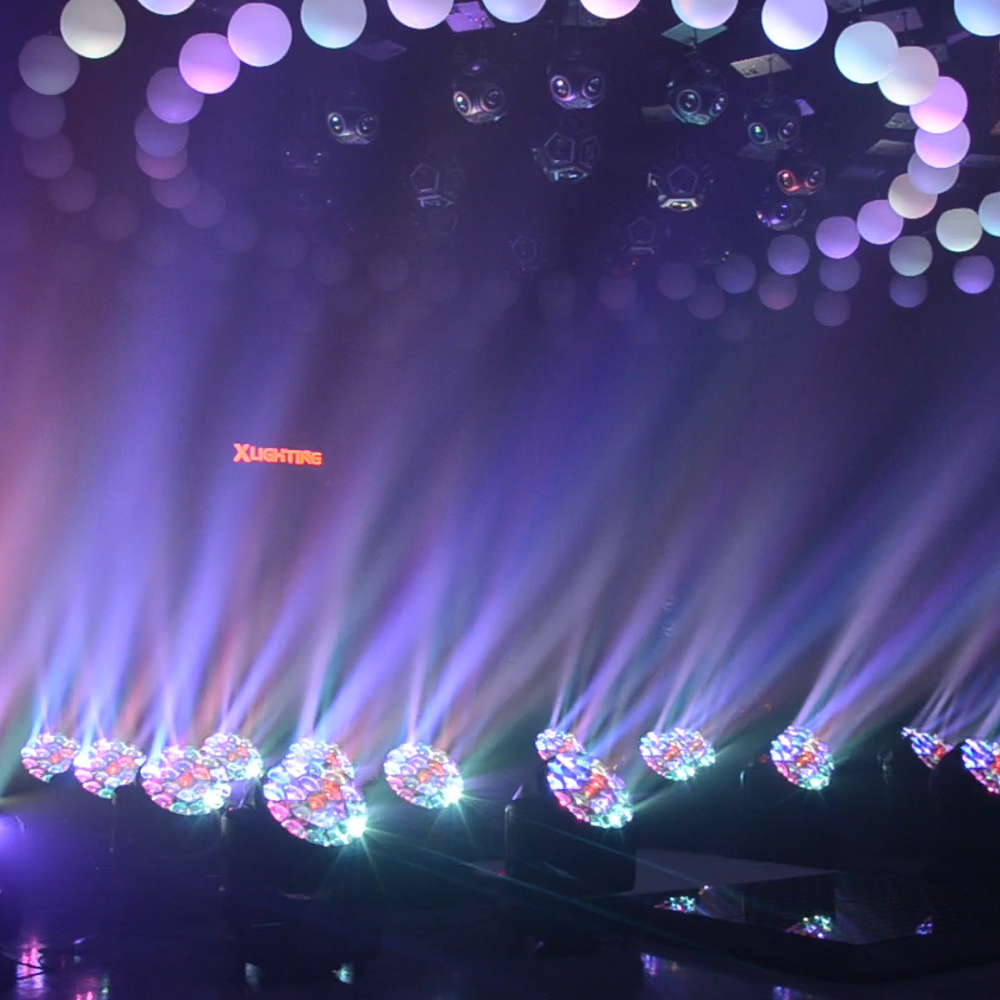
These fixtures are widely used in concert venues, nightclubs, theaters, churches, live events, and entertainment installations. A single moving light can sweep across a stage, create a sharp aerial beam, provide a colorful wash, or become part of a synchronized lighting sequence.
For lighting designers and venue owners, this flexibility can make a major difference.
This guide explains what moving LED lights are, how they work, where they are used, and how to choose the right fixture for your project.
What Are Moving LED Lights?
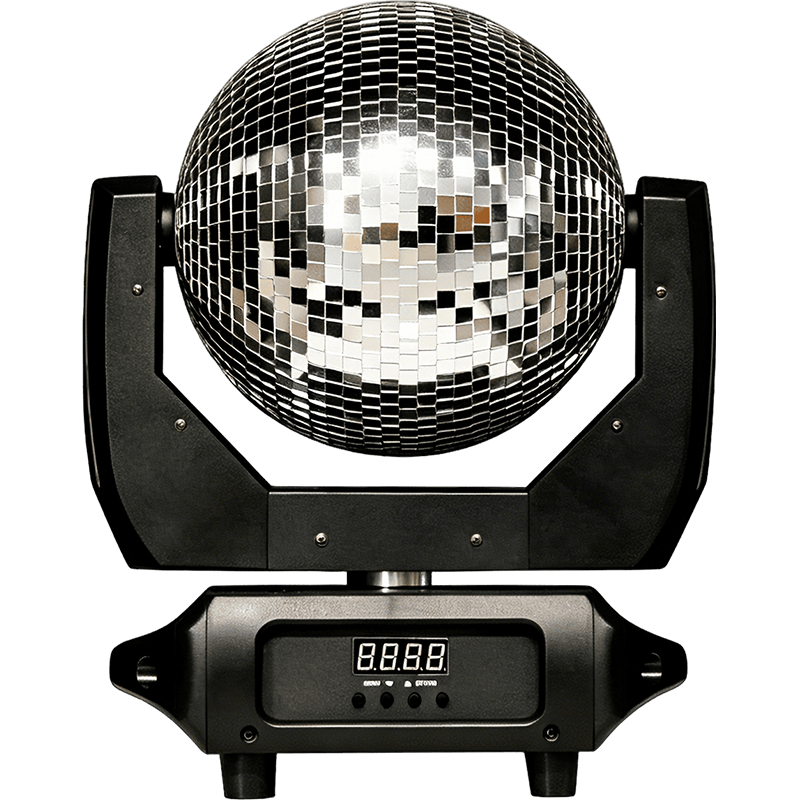
Moving LED lights are intelligent lighting fixtures that combine LED light sources with motorized pan and tilt systems.
Unlike traditional fixed lights, they can change direction and position during a performance. Depending on the fixture, users may also control:
- Beam direction
- Color mixing
- Dimming
- Strobe effects
- Zoom
- Gobos and patterns
- Prism effects
- Automatic programs
Most professional moving LED lights use DMX512 control. Some advanced fixtures also support RDM, Art-Net, sACN, and other control protocols.
In simple terms, a moving fixture does not stay in one place. It becomes an active part of the lighting design.
How Do Moving LED Lights Work?
Several systems inside the fixture work together to produce movement, color, and visual effects.
LED Light Source
The LED engine produces the fixture’s main light output.
Common configurations include:
- RGB LEDs
- RGBW LEDs
- High-power white LEDs
- Multi-color LED engines
- COB LED sources
RGBW systems are widely used because they can create saturated colors while also producing more flexible white tones.
However, the LED source is only part of the overall performance. Optical design, lens quality, cooling, and control accuracy can also affect the final result.
Pan and Tilt Movement
Pan controls horizontal movement, while tilt controls vertical movement.
Using a lighting console or DMX program, a fixture can move automatically from one position to another. It might follow a performer, sweep across the audience, or create synchronized movements with other fixtures.
Fast movement is useful for concerts and clubs. In theaters and broadcast environments, smooth and accurate positioning is often more important.
Optical System
The optical system shapes and projects the light.
Depending on the fixture, it may include lenses, reflectors, zoom systems, gobos, or prisms.
These components affect:
- Beam angle
- Projection distance
- Light distribution
- Beam sharpness
- Zoom range
- Visual effects
This is one reason why two fixtures with similar LED power can produce very different results.
Main Types of Moving LED Lights
Different applications require different types of fixtures.
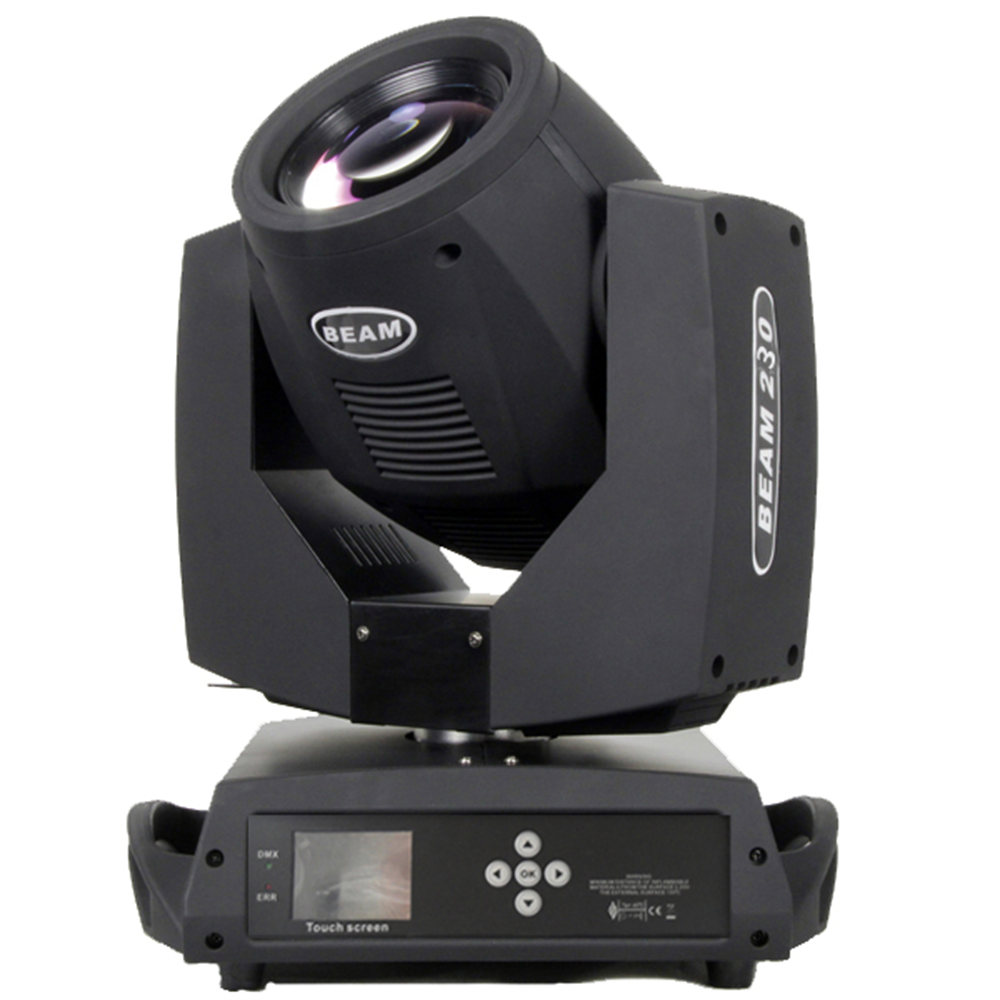
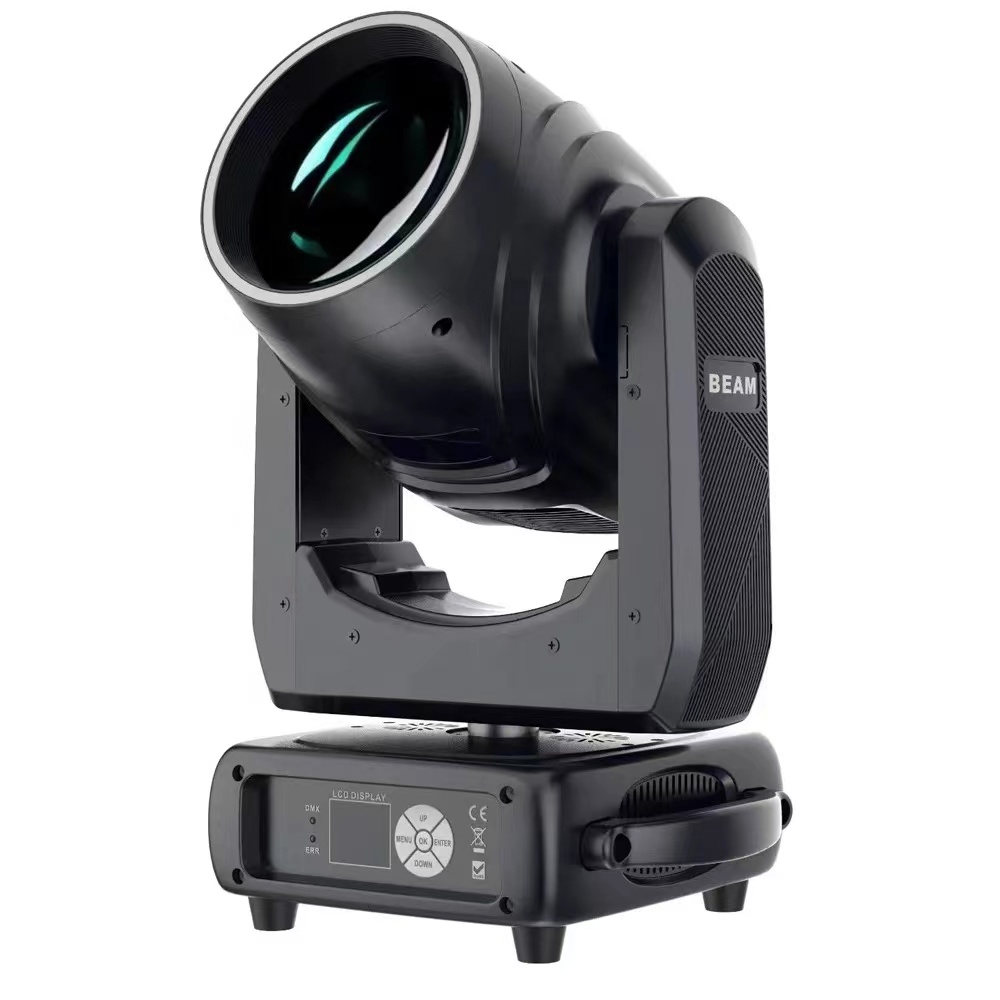
LED Moving Head Beam Lights
Moving beam lights produce narrow and concentrated beams.
They are especially effective when used with haze or fog because the beams become visible in the air.
Common applications include:
- Concert stages
- DJ performances
- Nightclubs
- Music festivals
- Touring productions
Beam fixtures are ideal for creating strong aerial effects and adding depth to a lighting design.
LED Moving Head Wash Lights
Wash lights provide wider and more even illumination.
They are commonly used for:
- Stage background lighting
- Theaters
- Churches
- Corporate events
- Television studios
Many moving LED wash lights include motorized zoom, allowing users to switch between narrow and wide coverage during a show.
LED Moving Head Spot Lights
Spot fixtures provide more focused projection and may include features such as gobos, prisms, and rotating effects.
They are often used in professional stages, theaters, concerts, and touring productions.
A moving spot can illuminate a specific area, project patterns, or add texture to the stage environment.
Hybrid Moving Lights
Hybrid fixtures combine multiple functions, such as beam, spot, and wash effects, into one product.
They can be a practical option for projects that require flexibility and want to reduce the number of different fixture types.
However, a dedicated beam or wash light may still provide better performance for specific applications.
Key Benefits of Moving LED Lights
The main advantage of moving LED lights is flexibility.
A static fixture performs one function from one position. A moving fixture can change throughout the performance.
Dynamic Lighting Effects
Movement adds another dimension to stage design.
A fixture can move slowly to create atmosphere or move rapidly during an energetic performance. Color changes, strobe effects, and synchronized movement can make the lighting system feel much more dynamic.
Flexible Color Mixing
RGB and RGBW LED systems allow lighting designers to create a wide range of colors directly through the control system.
This makes it easier to create color transitions, saturated effects, and different moods during a performance.
Energy Efficiency
LED technology can provide lower power consumption compared with many traditional lighting sources.
For larger installations with multiple fixtures, this can help reduce overall power requirements.
Long-Term Operation
LED light sources are generally designed for longer operating life than traditional lamps.
This can reduce maintenance and replacement requirements. However, overall fixture reliability also depends on motors, cooling systems, power supplies, and other internal components.
Where Are Moving LED Lights Used?
Moving LED lighting is now used in many different environments.
Concerts and Music Festivals
Concert stages often combine moving beam, wash, and spot fixtures to create different looks throughout a performance.
Fast music may use aggressive movement and strobe effects, while slower songs may rely on softer colors and controlled transitions.
The same lighting system can create completely different visual environments.
Nightclubs and DJ Events
Moving LED lights are widely used in nightclubs because static lighting can quickly become repetitive.
Popular effects include:
- Moving beams
- Color chases
- Strobe sequences
- Audience effects
- Music-synchronized programs
When combined with LED screens, lasers, haze, and other effects, moving lights can become a major part of the venue’s visual identity.
Theaters and Performing Arts
Theater applications usually require smooth movement, accurate positioning, and controlled dimming.
Moving LED lights allow designers to change lighting positions and create new scenes without physically moving fixtures during the performance.
Churches and Corporate Events
Churches, conferences, exhibitions, and corporate events also use moving LED lights to create flexible lighting environments.
Fixtures can highlight speakers, performers, presentation areas, or important stage elements.
They can also be programmed to match event themes or brand colors.
How to Choose the Right Moving LED Lights
There is no single fixture that is perfect for every project.
The right choice depends on the application.
1. Consider the Installation Environment
Before purchasing, ask:
- Is the fixture for indoor or outdoor use?
- Is it for permanent installation or touring?
- How large is the venue?
- How many hours will it operate?
Outdoor applications may require higher IP ratings, while permanent installations should place greater emphasis on reliability and maintenance.
2. Evaluate Light Output
Brightness requirements depend on several factors:
- Stage size
- Installation height
- Projection distance
- Ambient lighting
- Number of fixtures
A light that performs well in a dark nightclub may not provide enough output for a large concert stage.
Instead of focusing only on wattage, consider the actual lighting environment.
3. Check the Beam Angle
Beam angle has a direct impact on the final lighting effect.
A narrow beam is useful for aerial effects. A wider angle is better for covering larger areas.
If flexibility is important, a fixture with motorized zoom can provide more options during a performance.
4. Confirm Control Compatibility
Professional users should make sure the fixture works with the existing lighting system.
Important features may include:
- DMX512
- RDM
- Art-Net
- sACN
- Multiple DMX channel modes
Compatibility can save significant time during installation and programming.
5. Evaluate Movement and Reliability
Movement quality should not be overlooked.
Consider:
- Movement speed
- Positioning accuracy
- Smoothness
- Noise level
- Cooling performance
For clubs, fast movement may be a priority. For theaters, quiet and precise operation may be more important.
Reliable cooling and quality internal components are also essential, especially for fixtures that operate for long periods.
Moving LED Lights and DMX Control
DMX512 is one of the most widely used control protocols in professional stage lighting.
A DMX controller can manage functions such as:
- Pan and tilt
- Dimming
- Color mixing
- Strobe
- Zoom
- Gobos
- Prism effects
Different fixtures may offer multiple DMX channel modes.
A simple mode can be useful for smaller installations, while an advanced mode provides more detailed control for professional lighting programming.
When multiple fixtures are connected, lighting designers can create synchronized movement, color changes, chases, and complete lighting scenes.
Why Work With a Professional Moving LED Lights Manufacturer?
For distributors, rental companies, lighting contractors, and project buyers, choosing the right supplier is just as important as choosing the fixture itself.
A professional manufacturer may provide services such as:
- OEM and ODM manufacturing
- Product customization
- Project lighting solutions
- Technical support
- Bulk order support
- Product testing
- Spare parts supply
- After-sales service
For larger projects, working with an experienced manufacturer can also help maintain consistency across multiple fixtures.
This is particularly important when dozens or hundreds of lights are used in the same installation.
Frequently Asked Questions About Moving LED Lights
Are moving LED lights suitable for small venues?
Yes. Compact moving LED lights can work well in small clubs, bars, churches, mobile DJ setups, and smaller stages.
The important thing is to select the right output and beam angle for the space.
What is the difference between a moving beam and a moving wash light?
A moving beam light produces a narrow and concentrated beam, mainly used for aerial effects.
A moving wash light provides wider and more even illumination for larger areas.
Many professional lighting systems use both types.
Can moving LED lights be controlled with DMX?
Yes. Most professional fixtures support DMX512 control. Advanced models may also support RDM, Art-Net, or other network-based protocols.
How many moving LED lights are needed for a stage?
The answer depends on the stage size, lighting design, venue type, budget, and desired effects.
A small stage may only need a few fixtures, while a large concert production may require dozens or more.
Final Thoughts
Moving LED lights have become an important part of modern stage lighting because they offer far more flexibility than traditional static fixtures.
They can move, change color, adjust beam angles, and become part of a synchronized lighting sequence. This gives lighting designers more creative freedom and allows venues to create different visual experiences with the same lighting system.
Whether you are planning a concert stage, upgrading a nightclub, designing a theater, or sourcing fixtures for a lighting rental business, the right product should always be selected based on the actual application.
Brightness is important, but so are beam angle, movement quality, control compatibility, reliability, and technical support.
Choose the lighting solution that fits the project—not simply the fixture with the highest specifications.
When properly selected and programmed, moving LED lights can transform an ordinary stage into a dynamic and memorable visual experience.